Digitizing the Operations Behind Germany’s EV Charging Infrastructure
Country

Germany
Industry
EV Charging Infrastructure
Sector
E-Mobility · Field Operations · Energy Infrastructure
Engagement
From Fragmented Operations to a Digital Operating Model
Service4Charger was scaling, but critical handoffs still depended on emails, paperwork, calls, third-party scheduling tools and manually updated records. The information existed, but teams were not working through one connected operational workflow.
We started from the ground up, working alongside the team to map the business, understand its journeys and identify where technology could connect people, processes and operations.
We Didn’t Start With Screens.
We Started With How the Business Actually Worked.
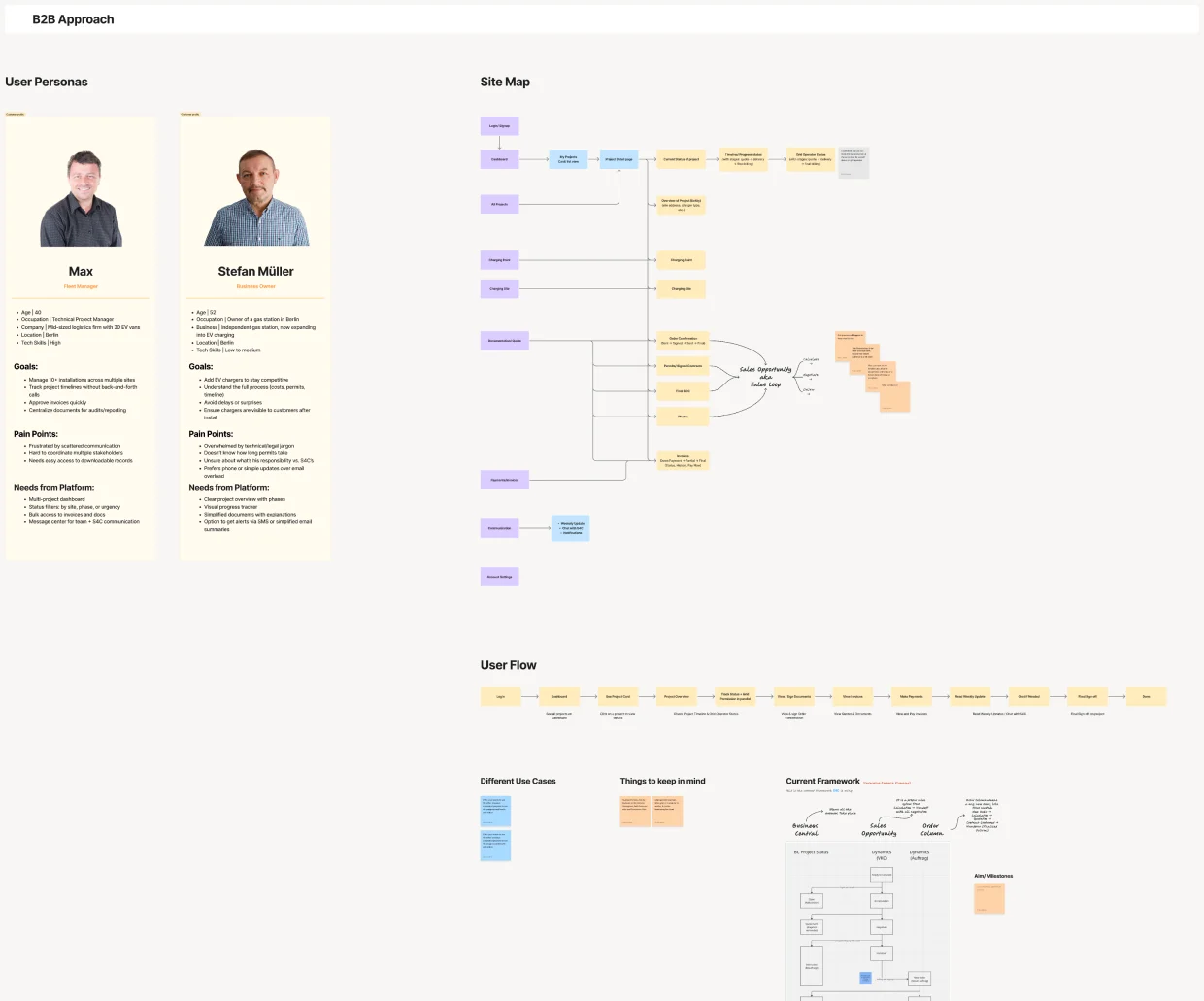
Before designing the product, we worked closely with Service4Charger’s team to understand the business from the ground up. We mapped the journeys, handoffs, roles and operational processes across project creation, site inspection, permits, scheduling, field execution, documentation and maintenance.
This research helped us identify where information was getting lost, where teams depended on manual coordination and where technology could create a better connection between the field and the business.
Mapping the people, journeys and business before the screens.
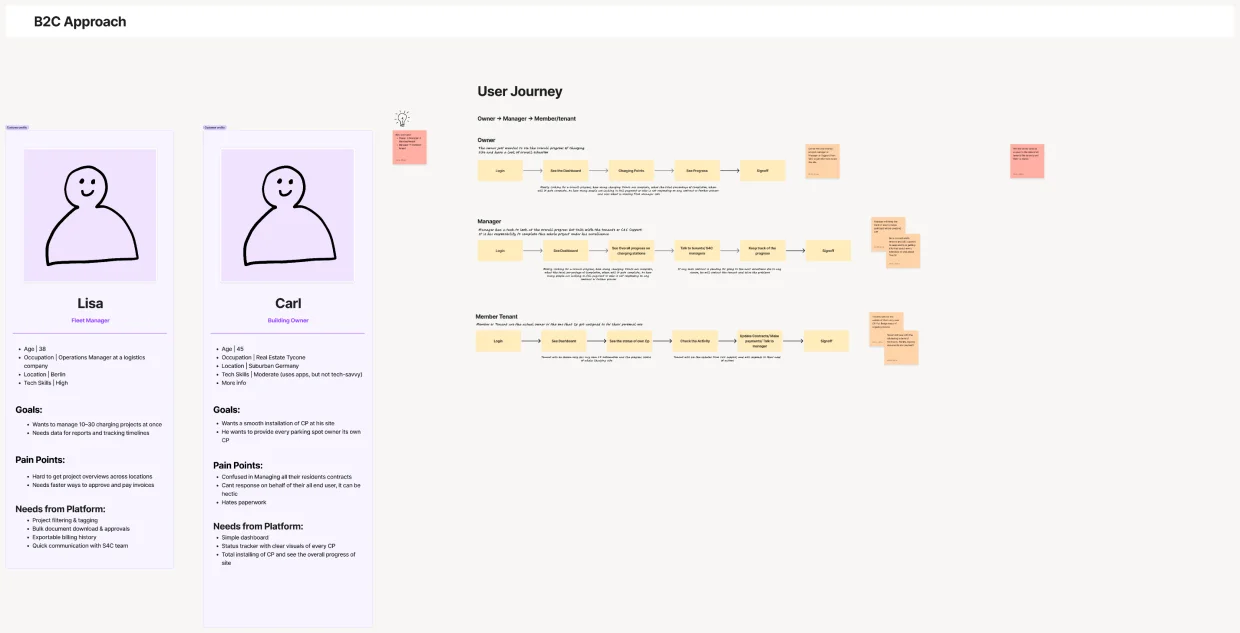

Connecting people, processes and operational handoffs
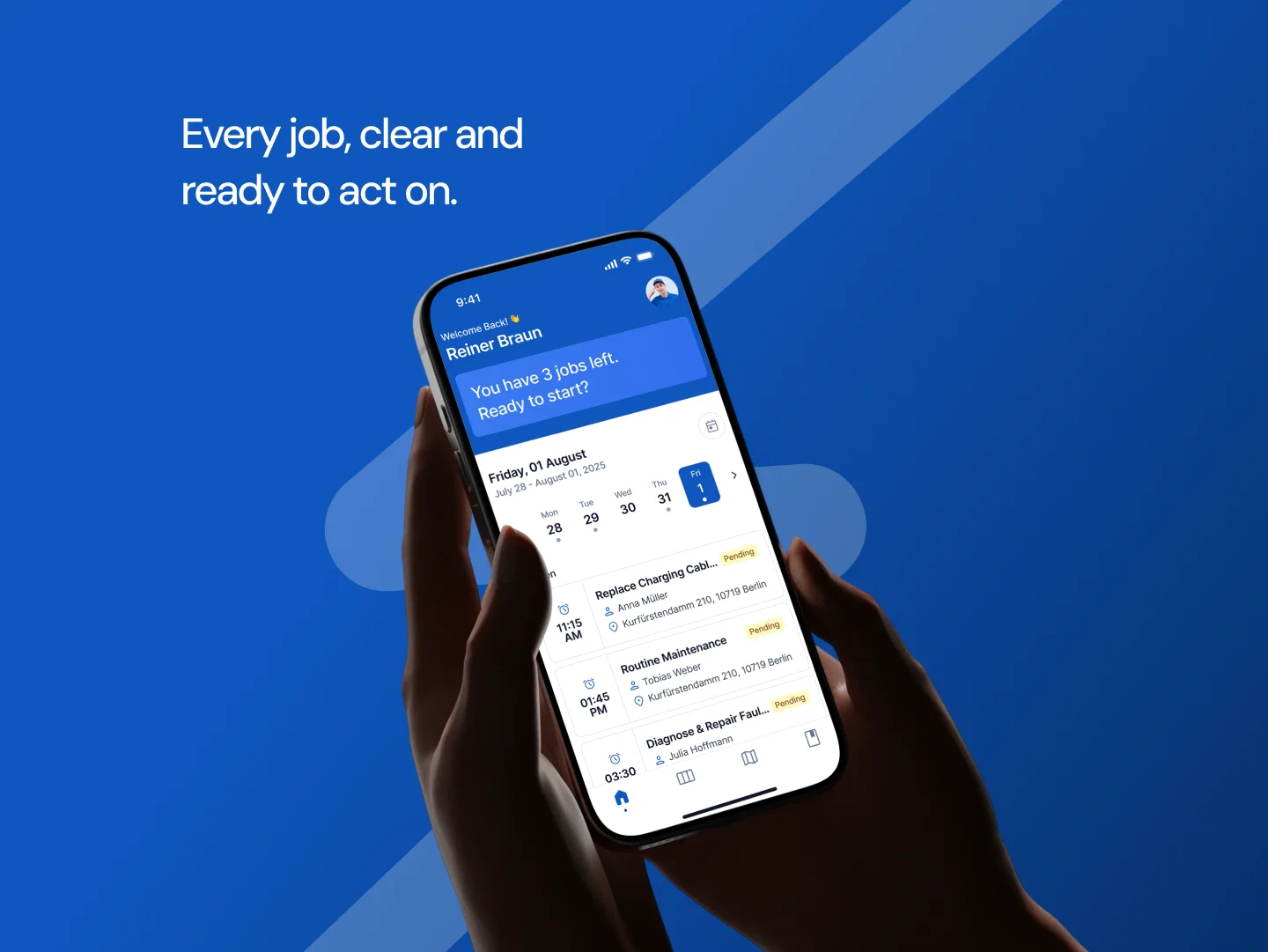
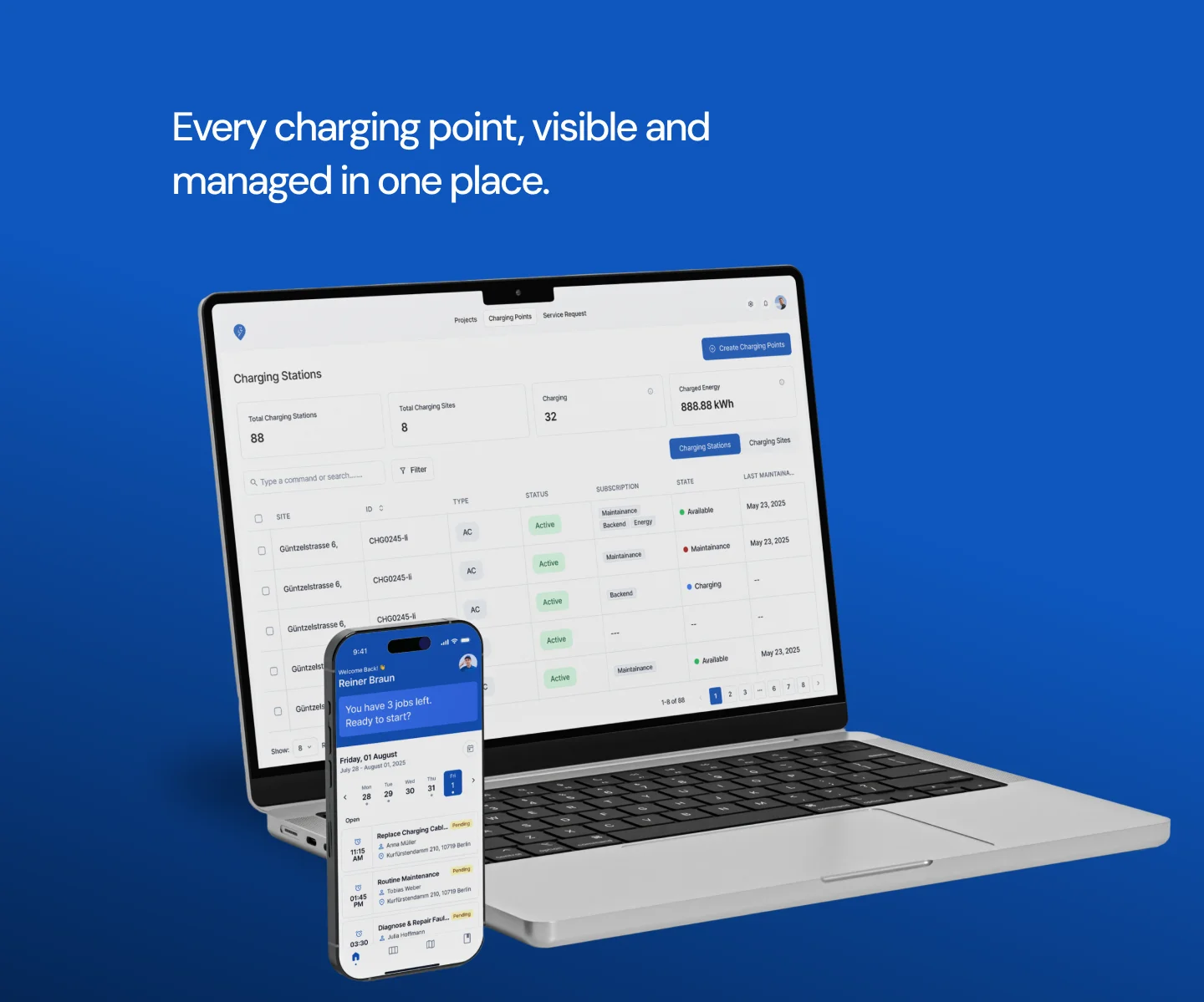
Designing a Field-Ready Operating System Around Real Business Workflows
The solution could not simply be a task-management app. It needed to connect commercial projects, physical charging infrastructure, field execution, documentation and customer communication in one operating layer.
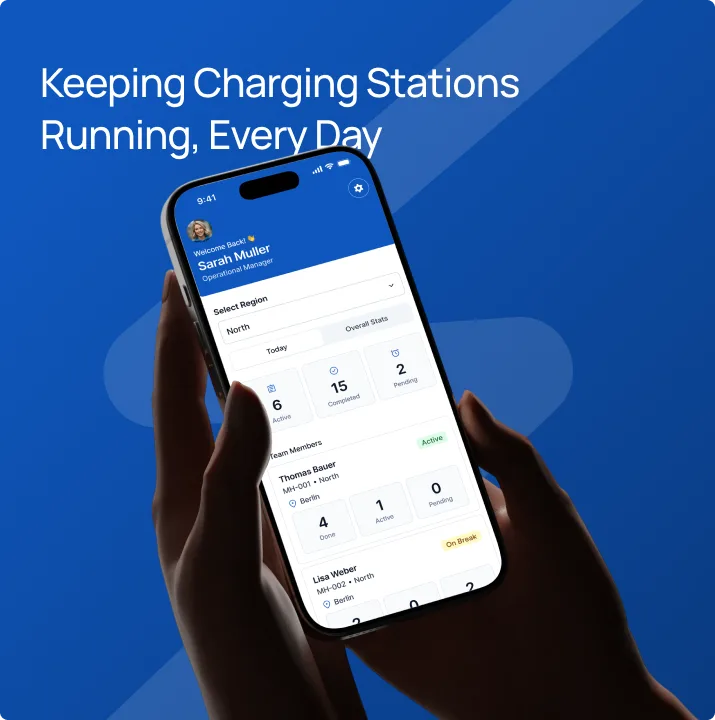
At the same time, Service4Charger’s “Mobile Heroes” are electricians and field-service professionals working at real charging sites — not desk-based software users. So we stripped each job down to what mattered in the moment: where to go, what to do, what to document and what happens next.
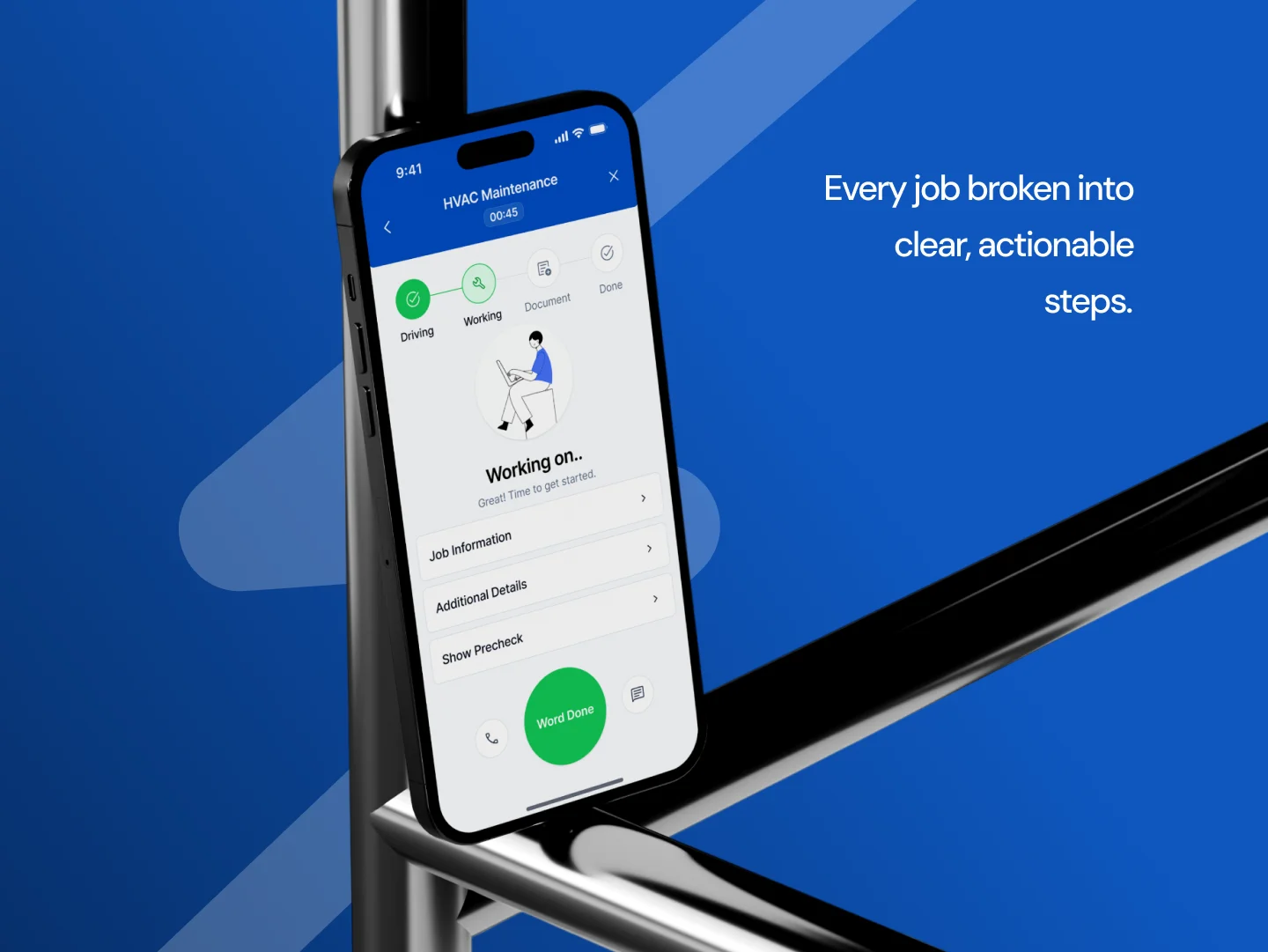

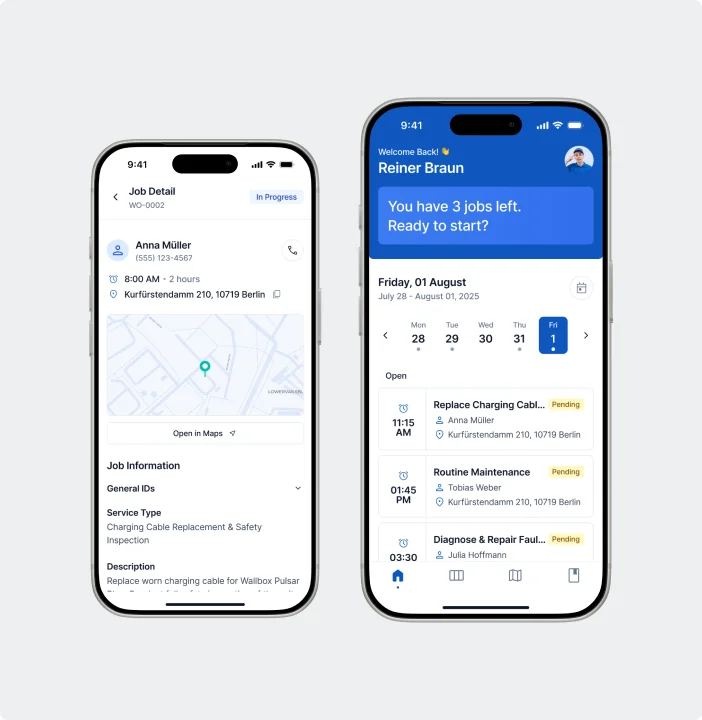
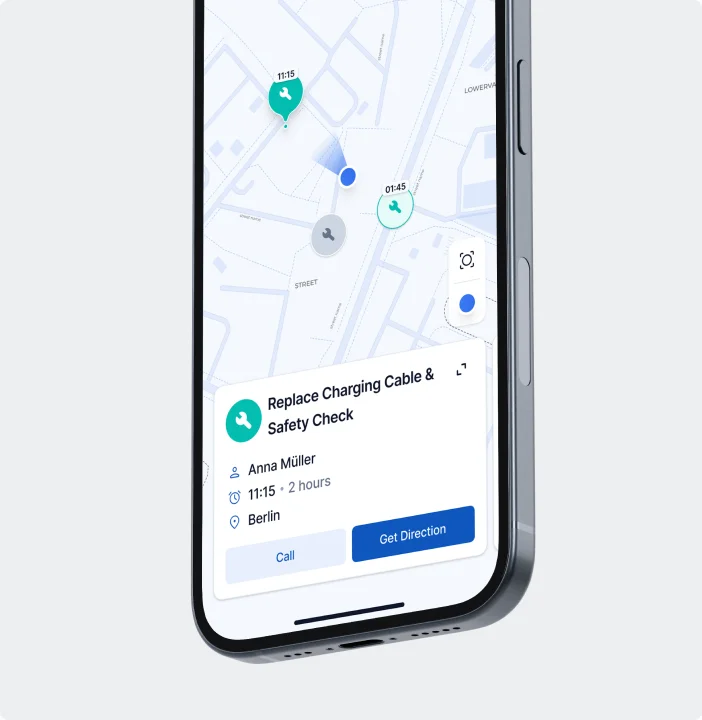
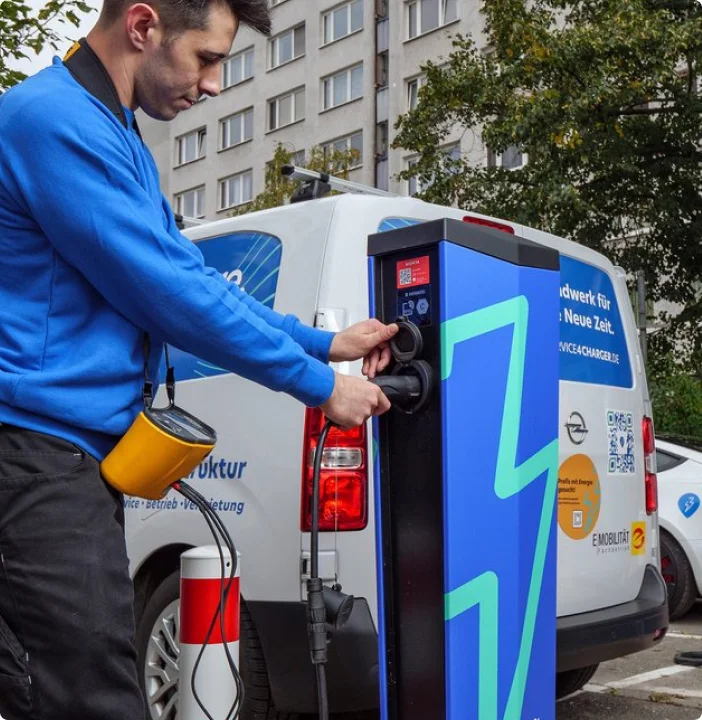
Connecting Field Work to One
Operational View
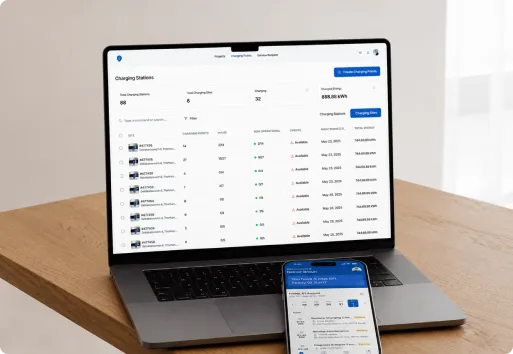
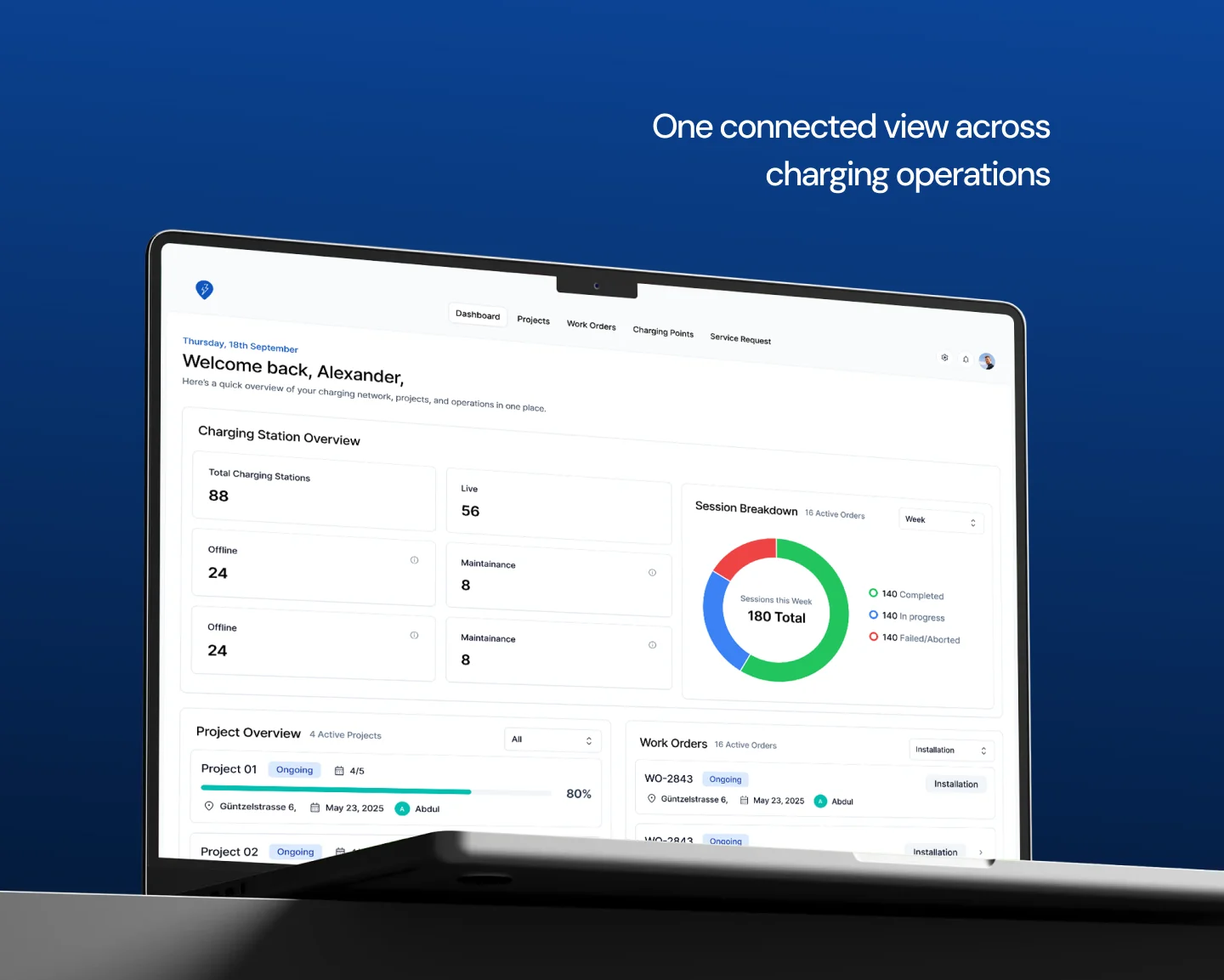
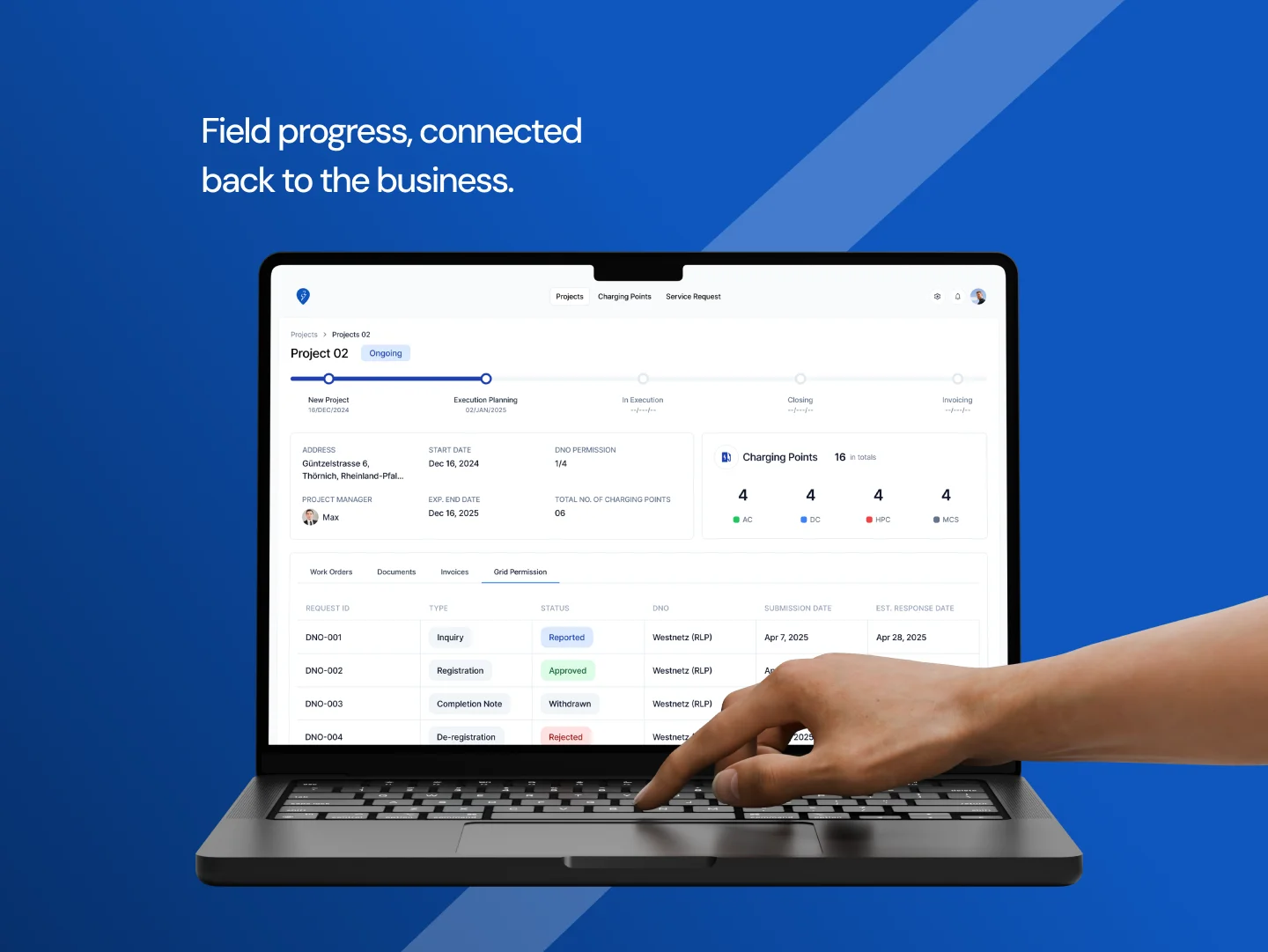
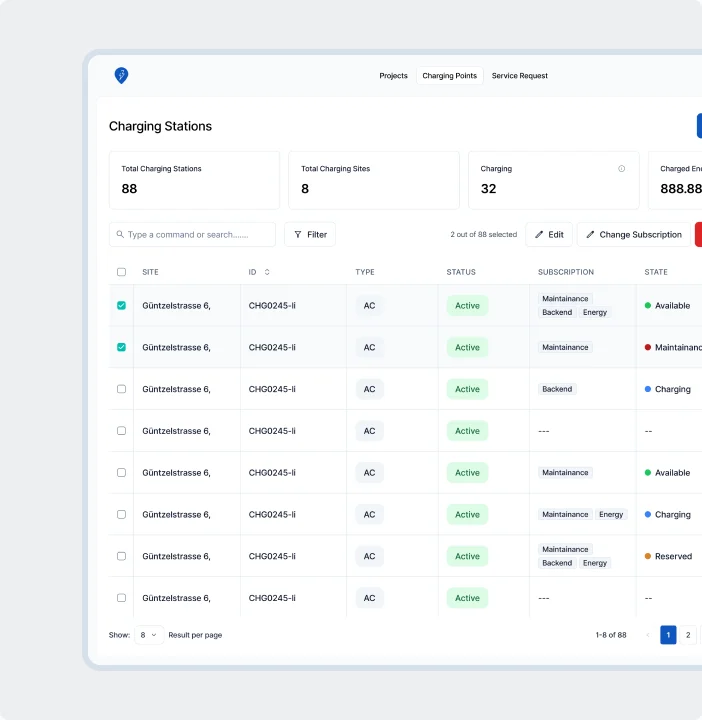
The broader platform gave project managers and operational teams clearer visibility into workforce scheduling, work orders, project progress, charging sites, compliance, documentation and maintenance activity.
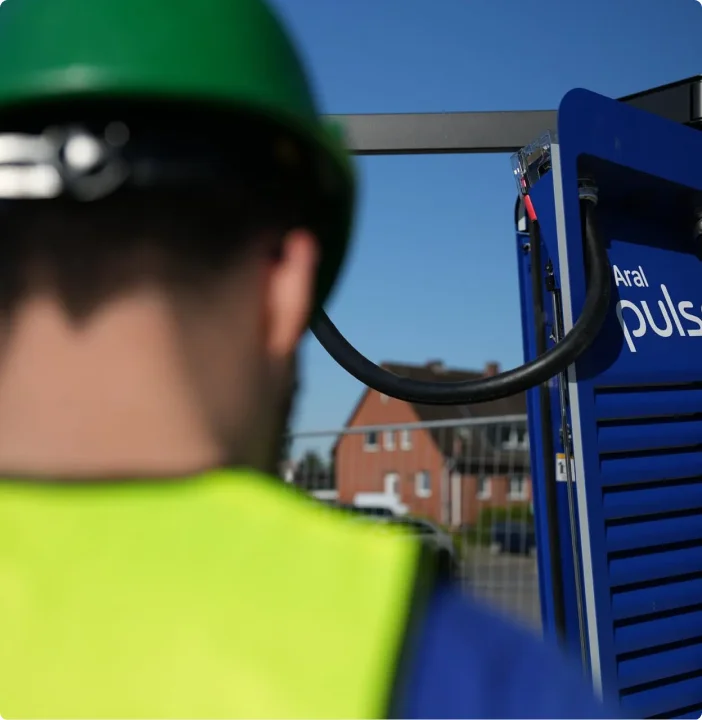
At the same time, technicians could complete work on-site, capture documentation and move jobs forward—giving project teams a much clearer view of what was happening in the field.
This created a tighter link between physical execution and digital project management, replacing manual status collection with one shared operational picture.
From Strategy to a Working Product
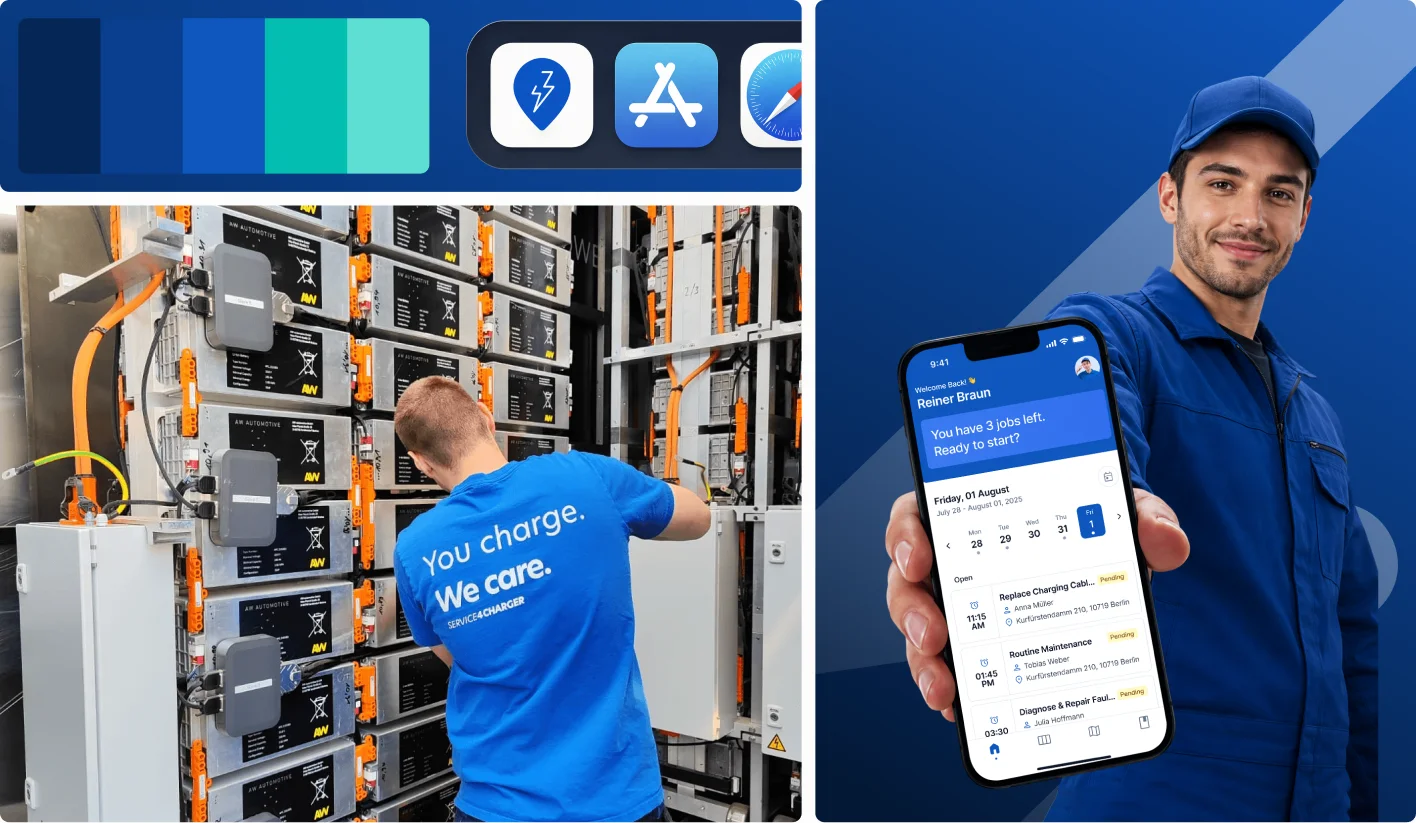
Our role extended beyond UX. We worked through product strategy, workflow discovery, journey mapping and information architecture, then designed the system and developed the mobile application that brought the field-service experience to life.
Consulting → Product strategy → Design → Development
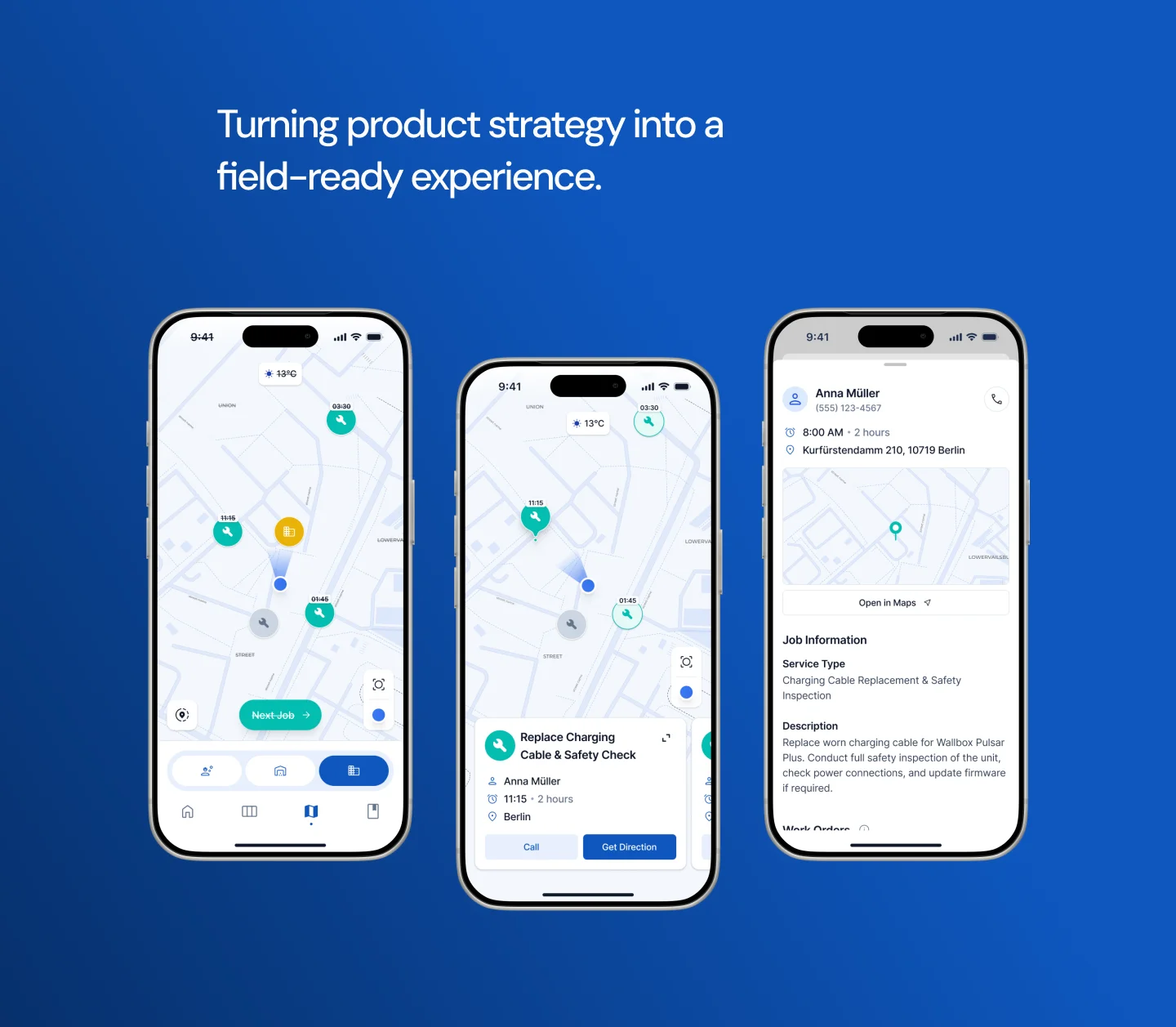

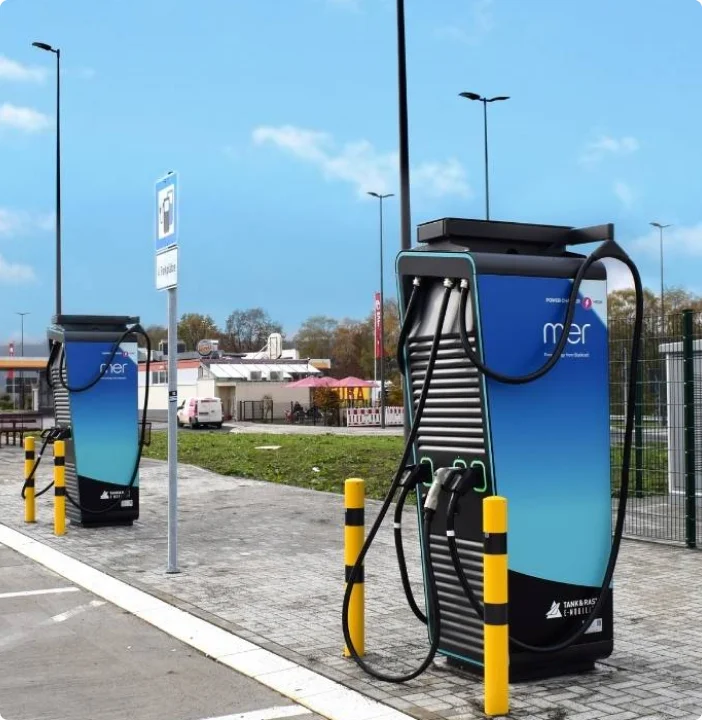
A Connected Digital Operations Ecosystem
Service4Charger moved from fragmented operational handoffs toward a connected system linking technicians, project managers, customers, charging sites, work orders, safety requirements, scheduling, documentation and maintenance. The project was bigger than a mobile application — by understanding the operating model first and designing around real workflows, we helped create the digital connective layer behind a growing EV infrastructure business. Built through close collaboration with Service4Charger’s internal team, the work connected field execution with project operations while digitizing work orders, improving visibility into scheduling and progress, and unifying charging assets, maintenance and service history.
Still Running Critical Operations Across Disconnected Tools?
We help enterprise teams understand how the business actually works, then design and build the digital systems that connect people, workflows and operations.
More Work