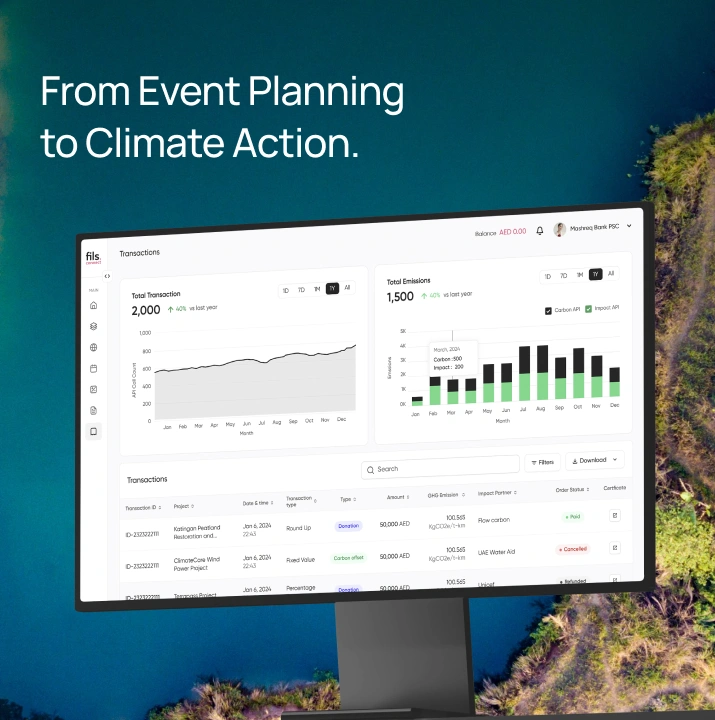
Modernizing a Complex Enterprise Platform for Better Usability, Adoption and Scale

Country

USA
Industry
Enterprise SaaS
Product
Customer Management & Orchestration
Engagement
The Product Had Grown. The Experience Hadn't Kept Up.
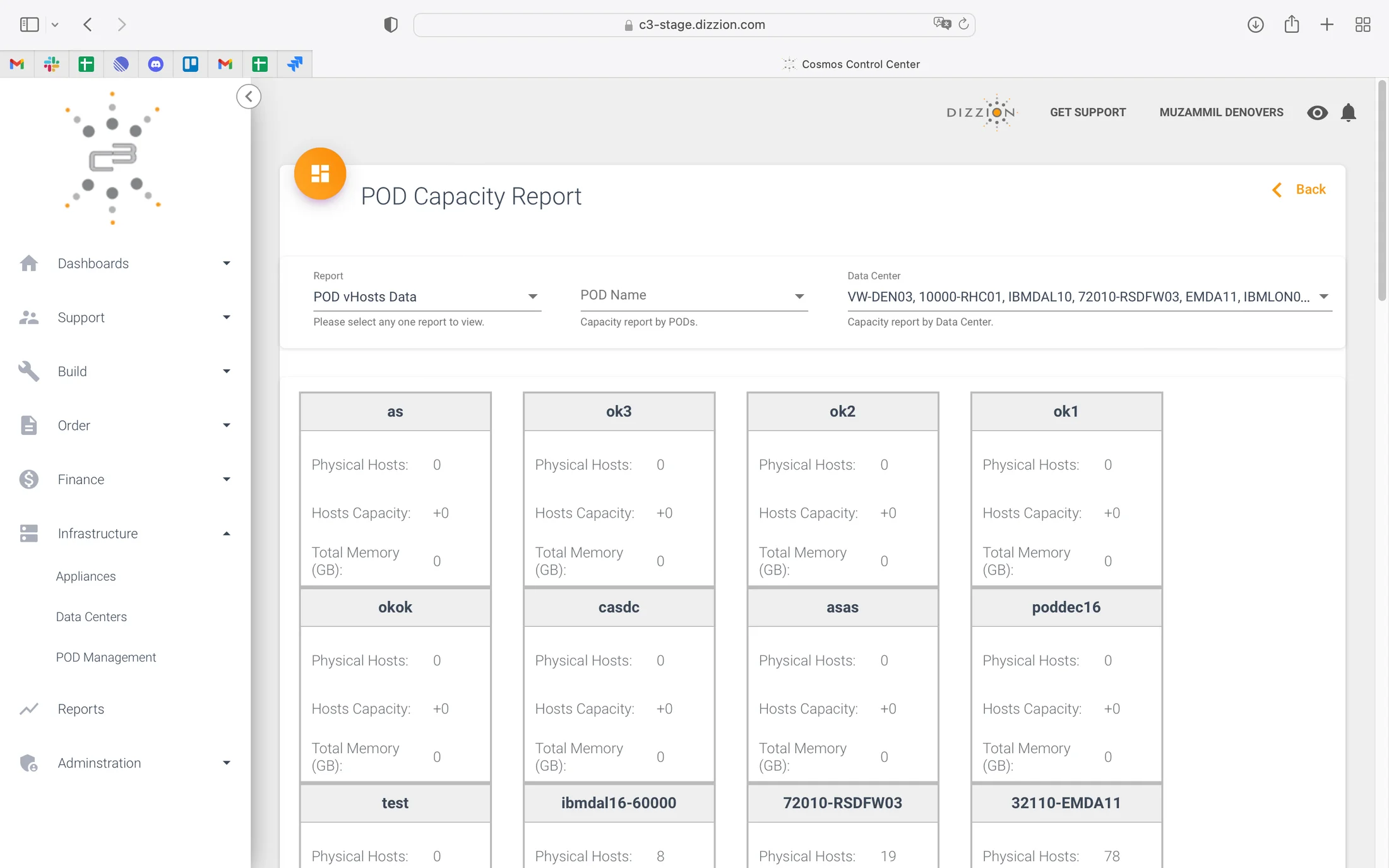
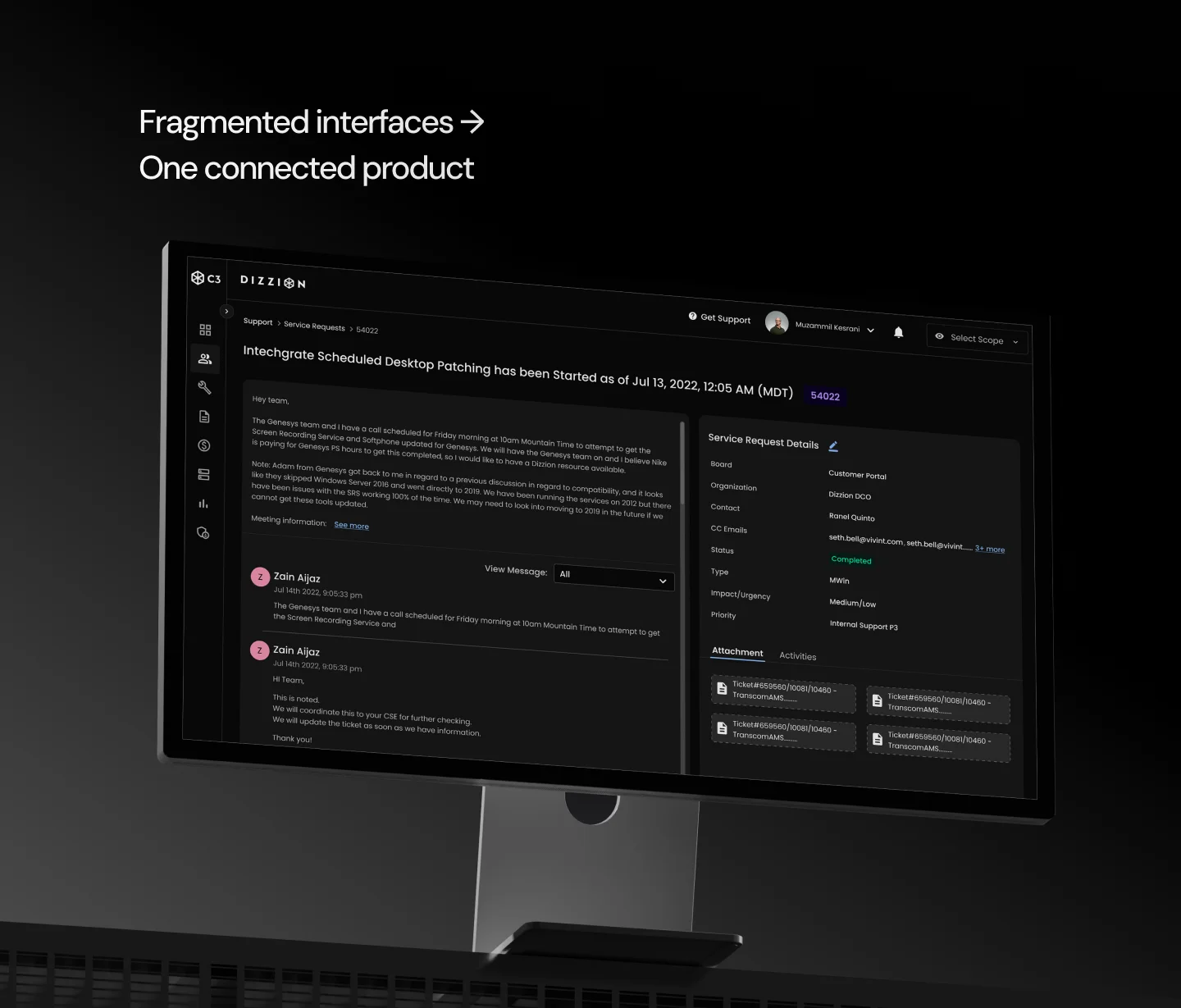
Dizzion's platform had accumulated complexity across navigation, data, workflows and interface patterns.
The goal was not just to modernize the UI — but to make the product easier to use, easier to navigate and better positioned for retention and competition.
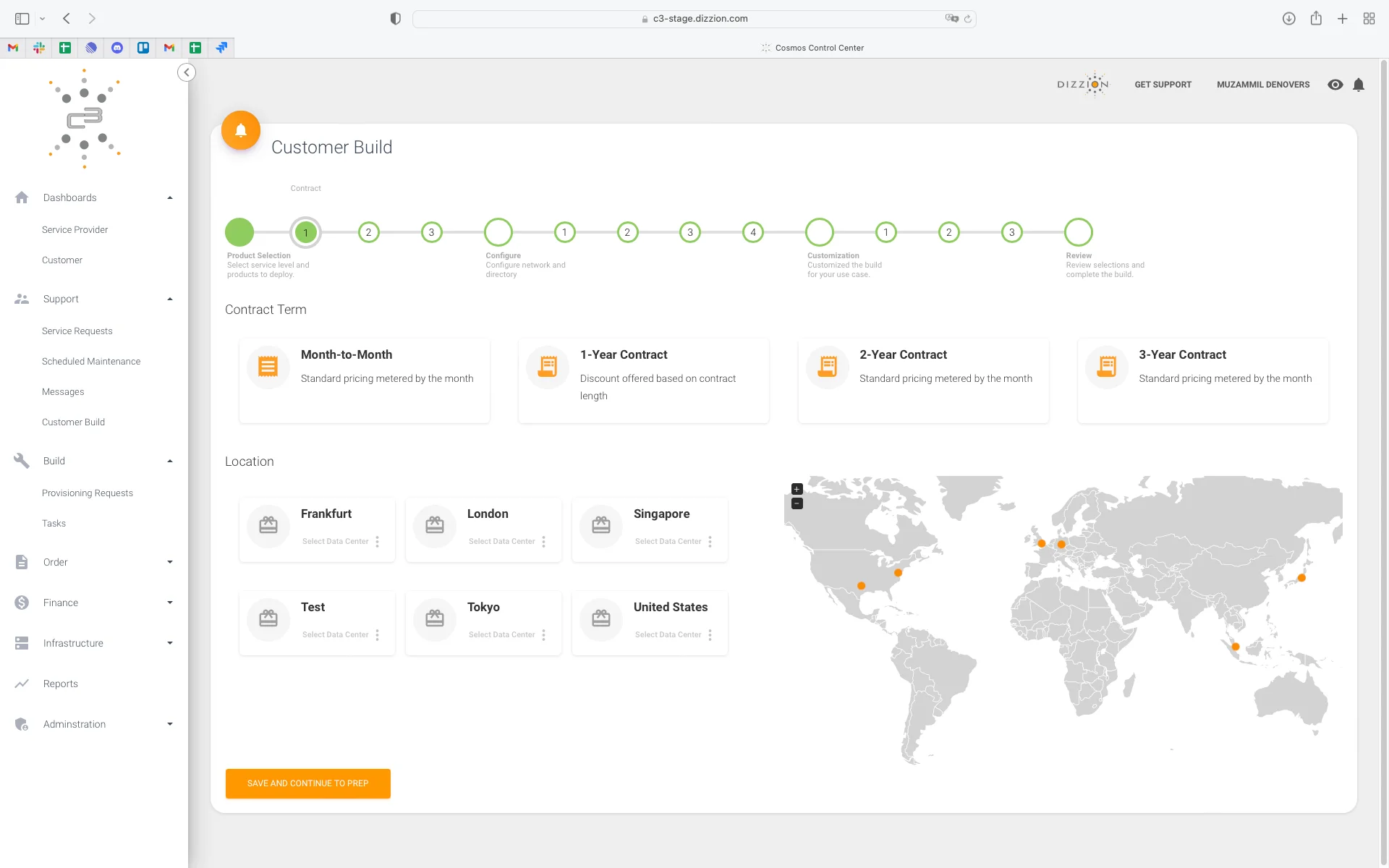
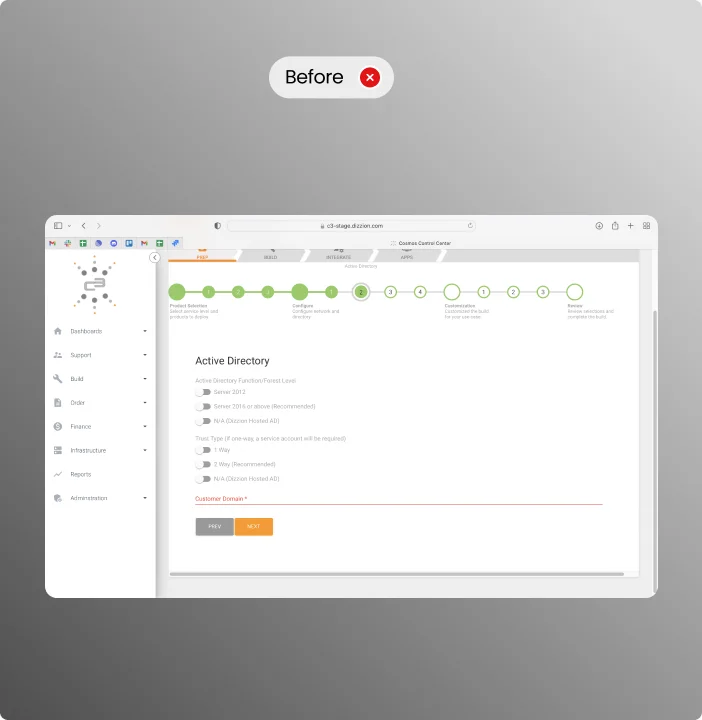
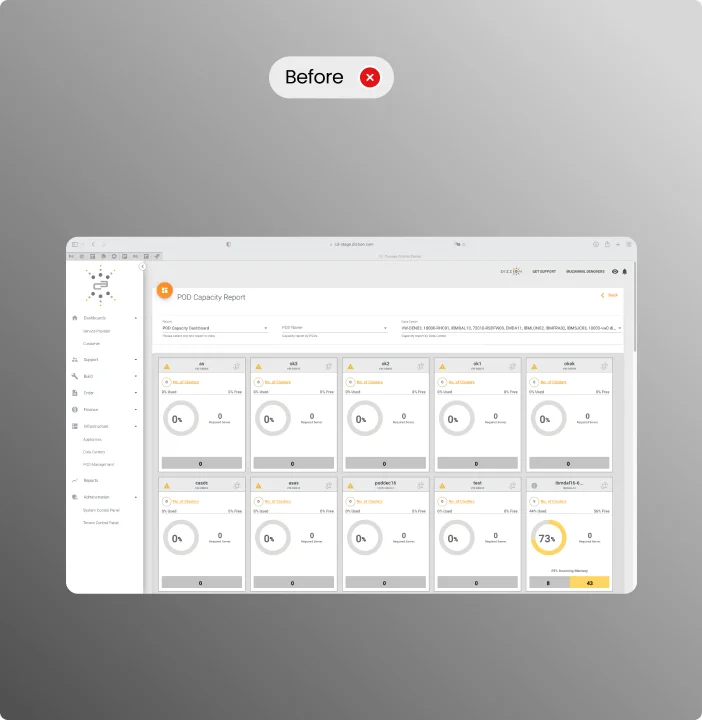
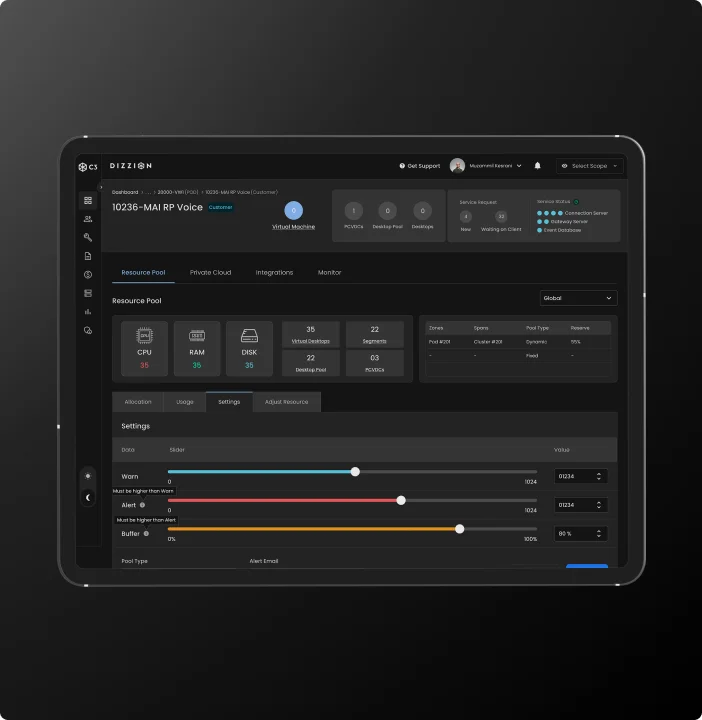
Before the Transformation
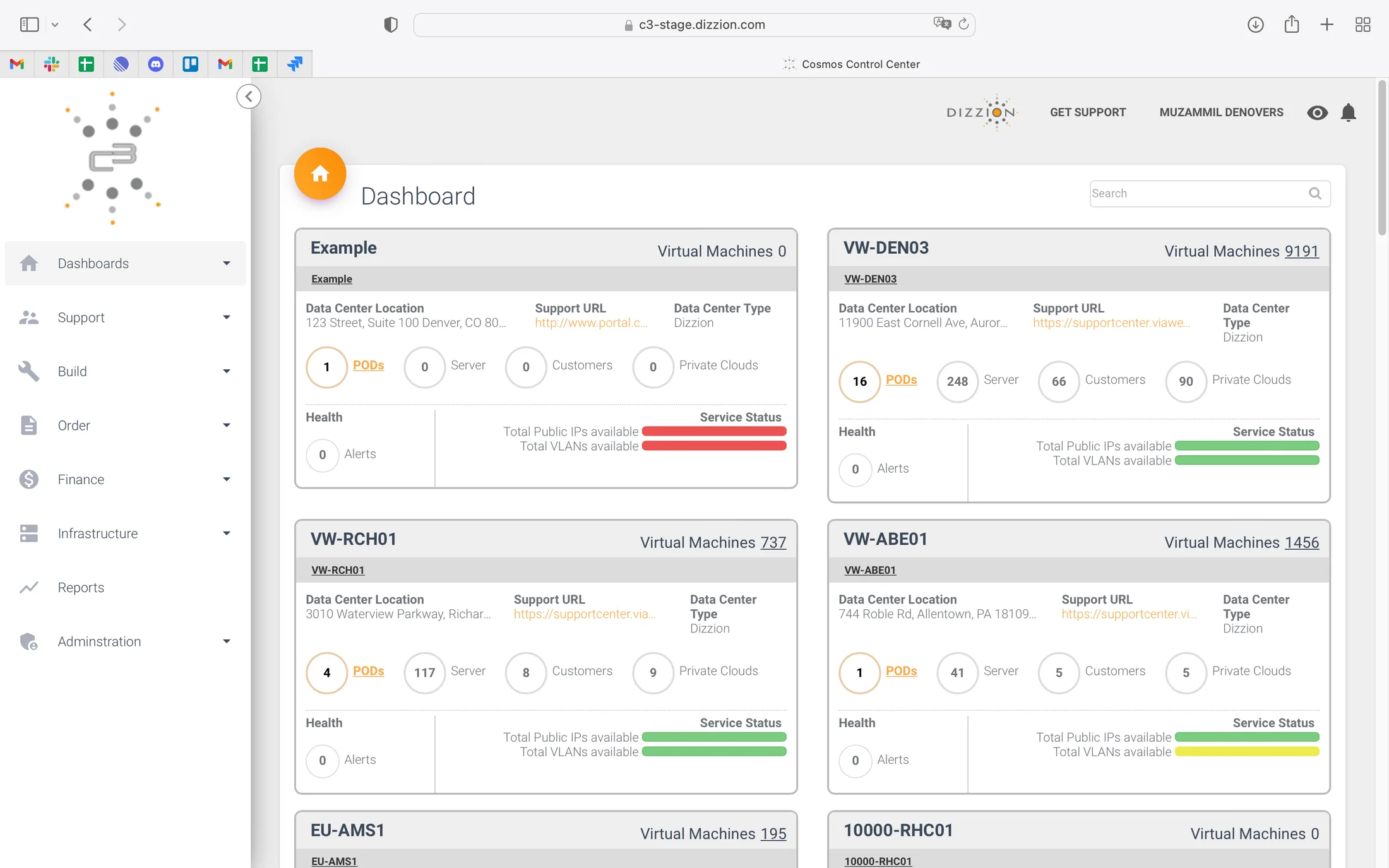
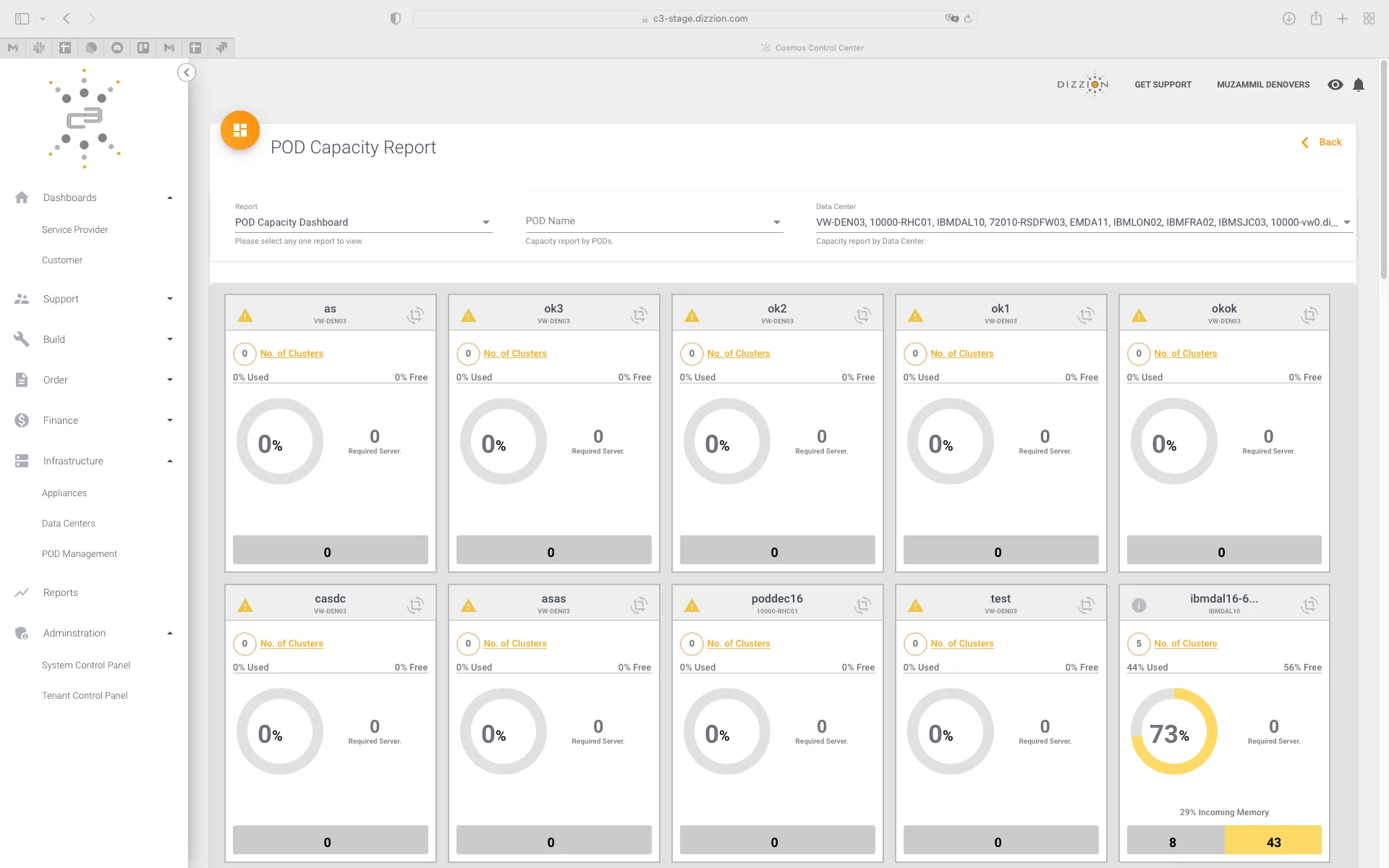
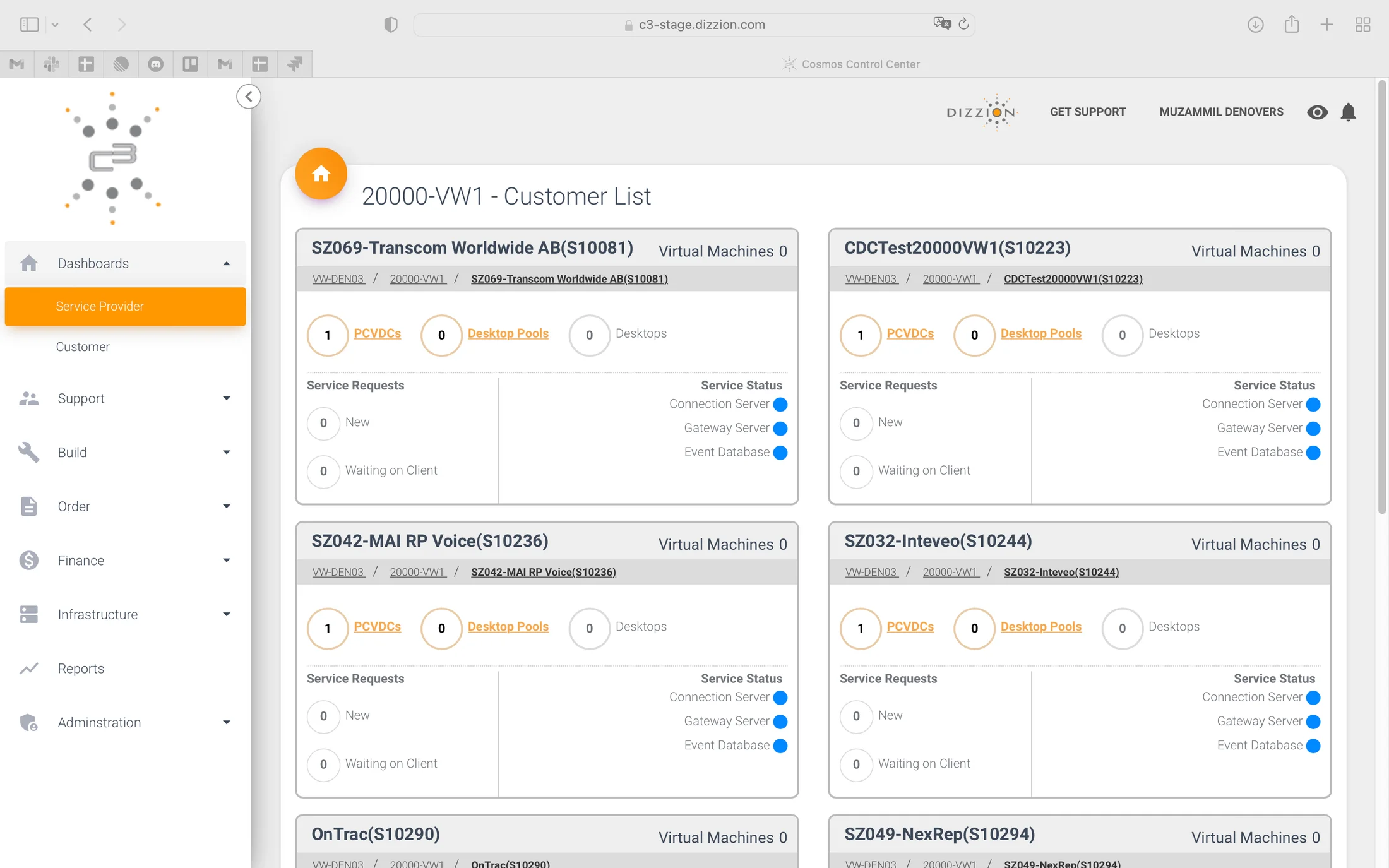
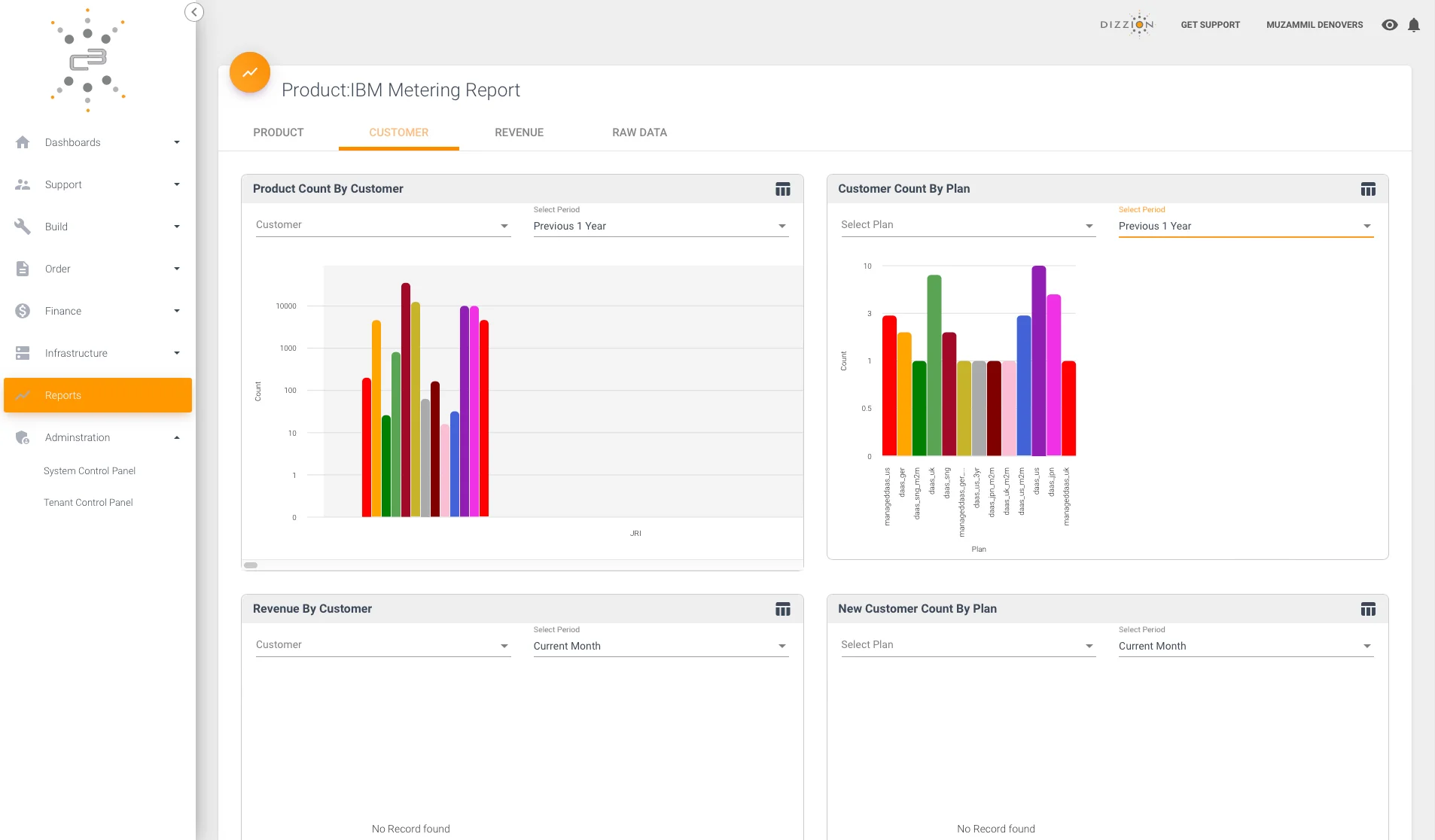
Why the Redesign Mattered
As the Product Grew, UX Became a Business Problem.
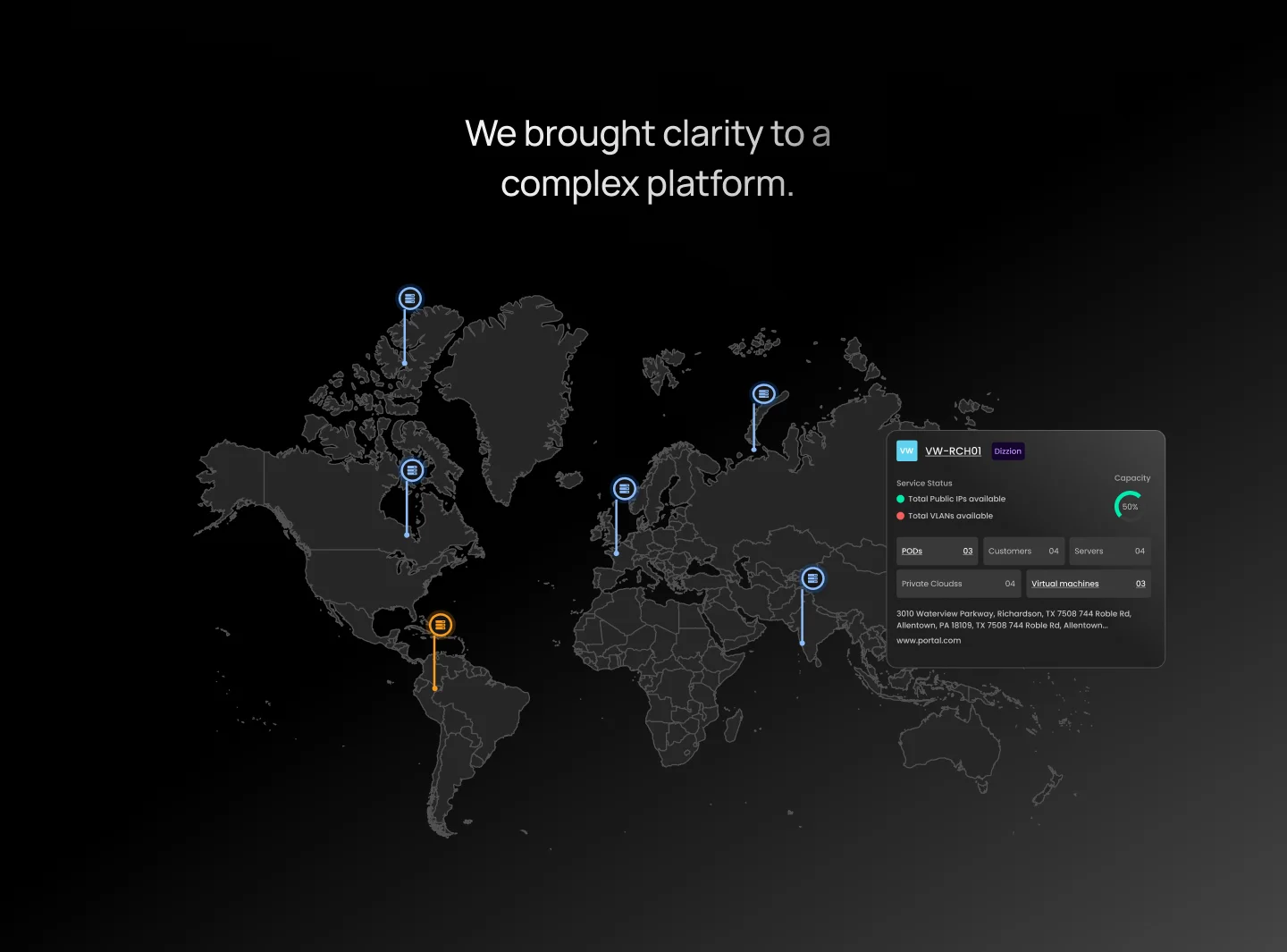
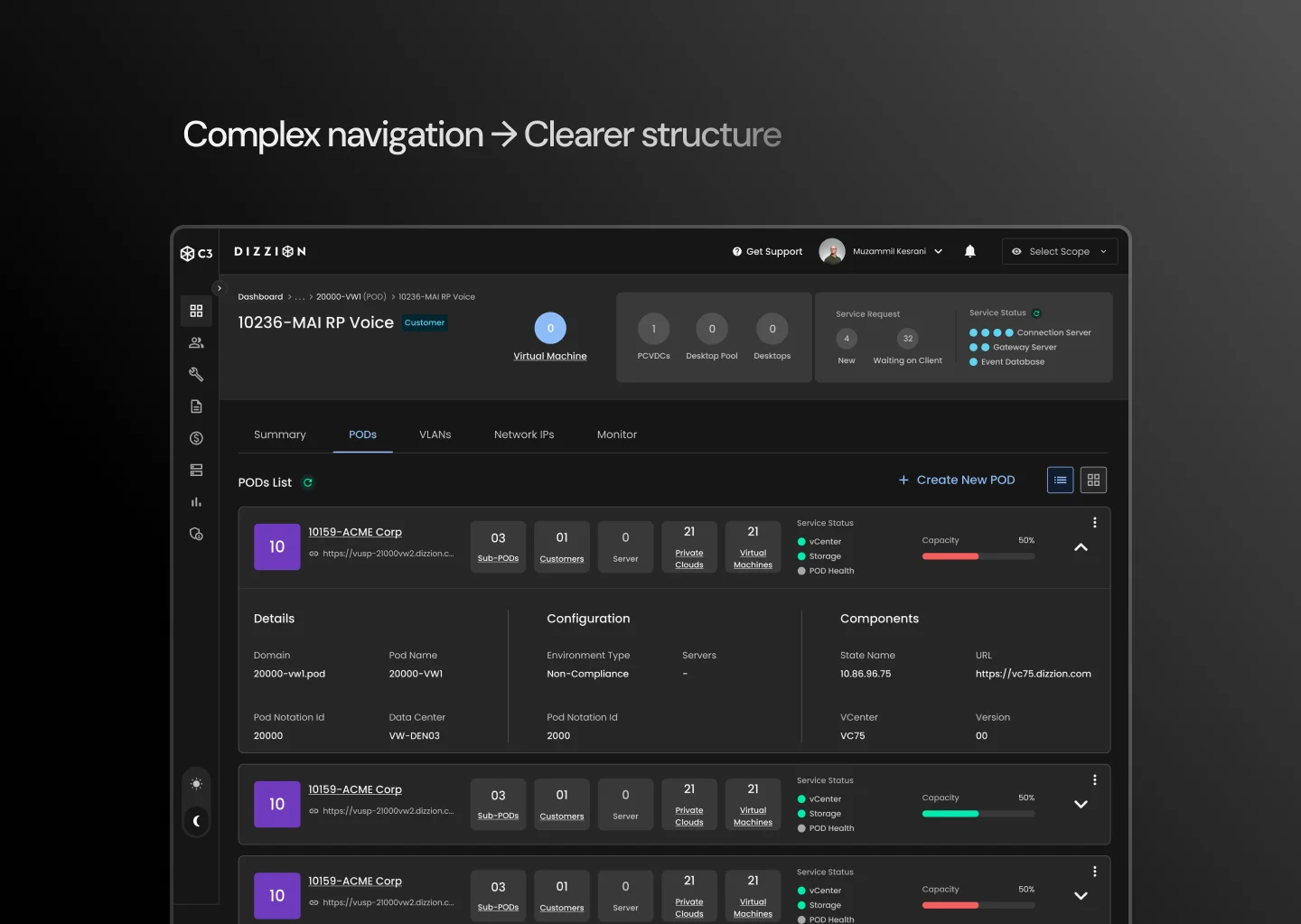
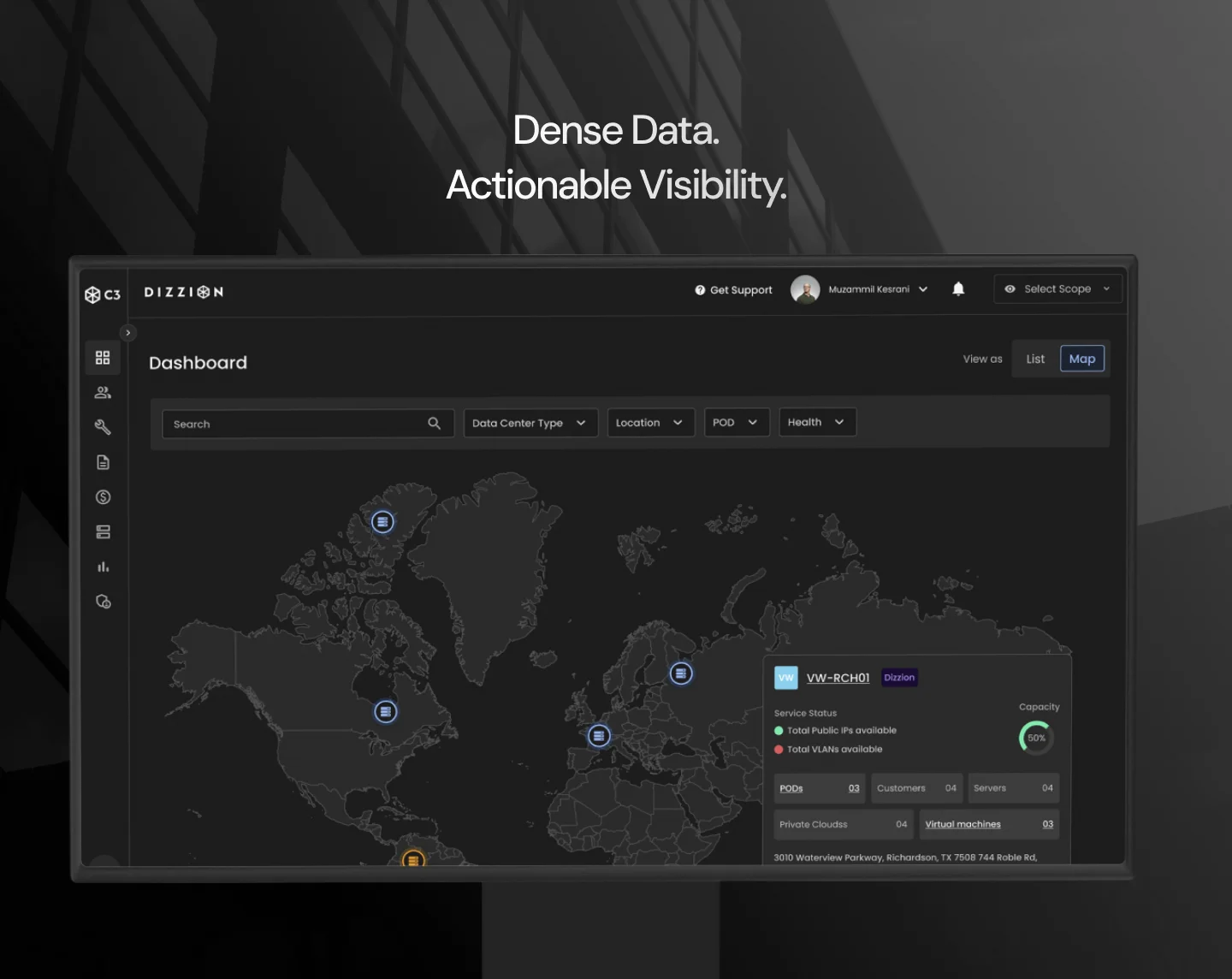
Complex navigation, dense data and fragmented workflows made it harder for users to reach value, adopt features and build consistent product habits. For Dizzion, modernization therefore had to go beyond visual polish.
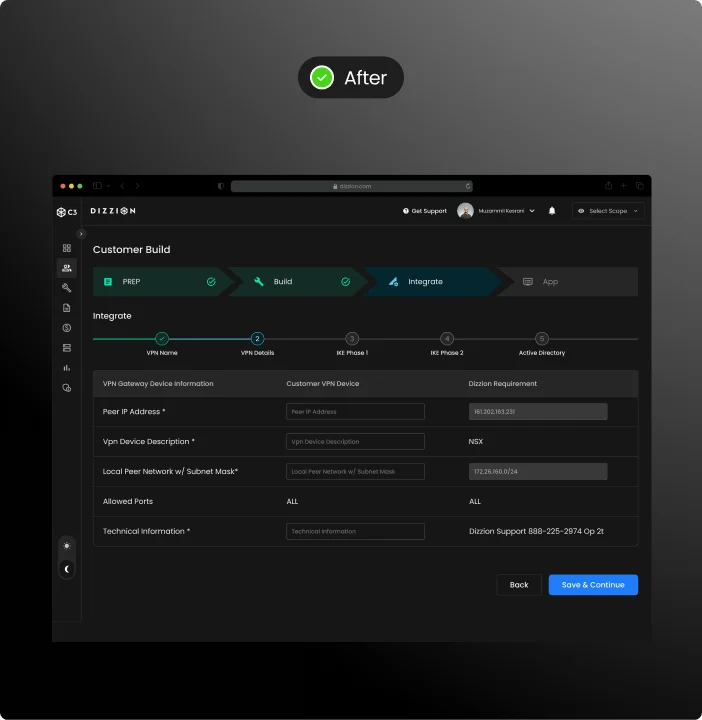
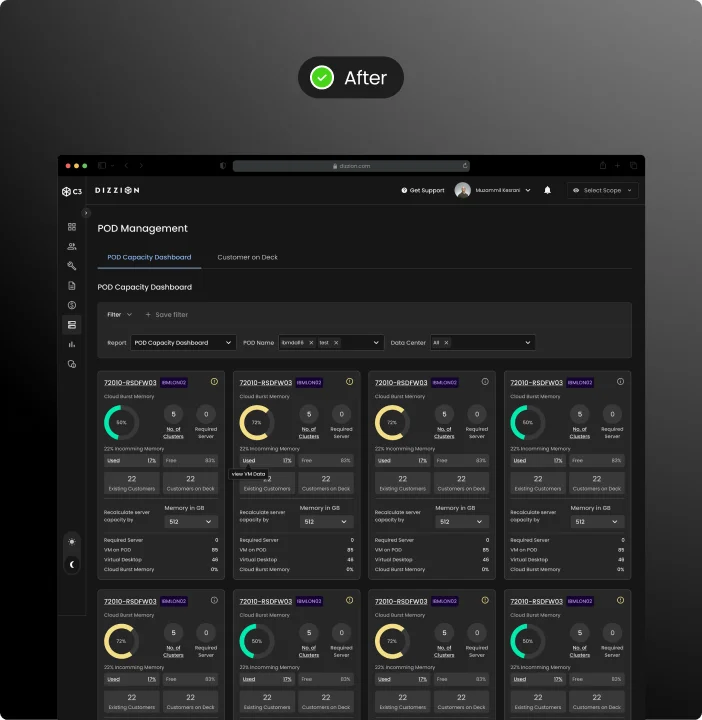
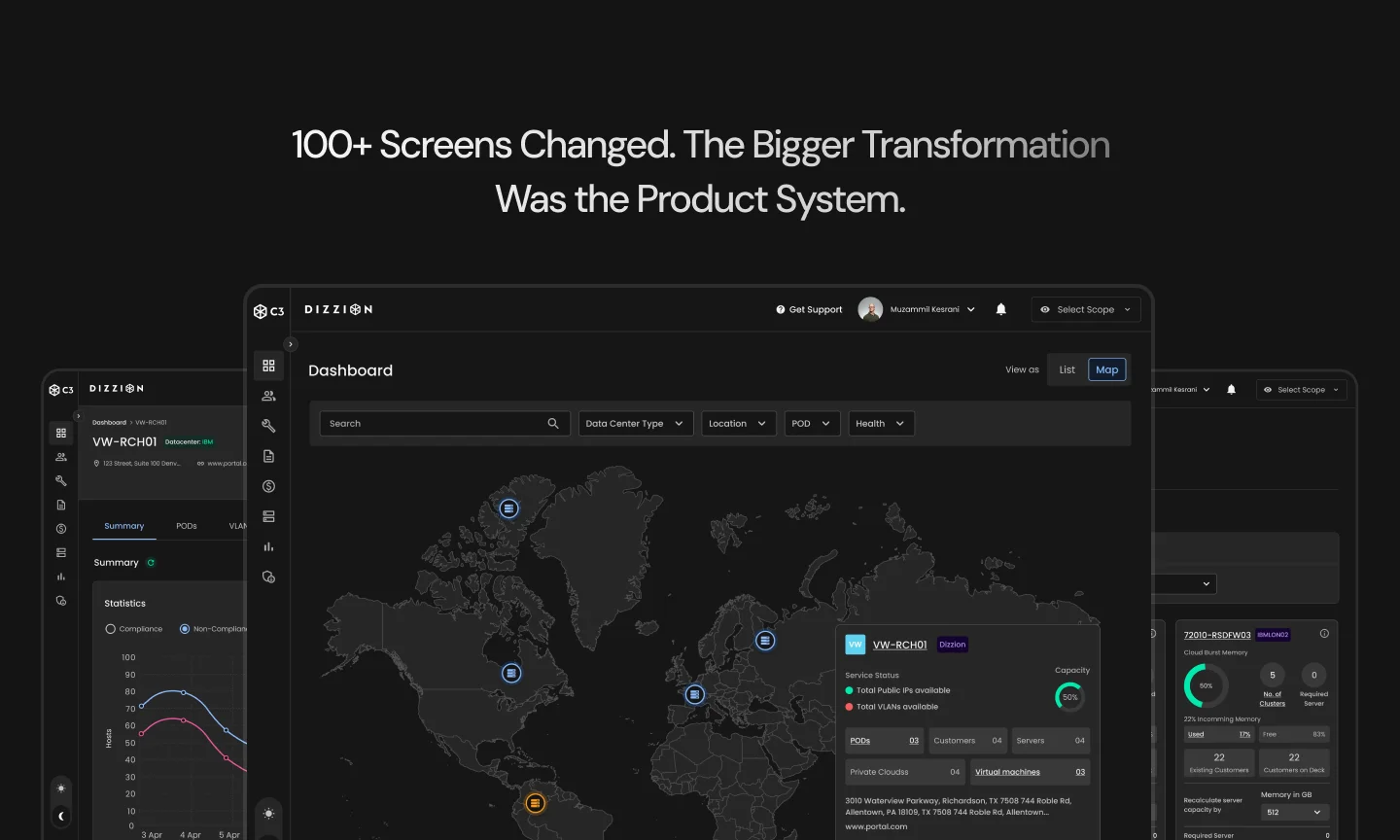
Instead of redesigning 100+ screens independently, we approached the platform as one connected product system—rethinking navigation, information architecture, workflows, data presentation and interaction patterns to reduce friction, improve usability and create a stronger foundation for growth.
One Product.
One Interaction Language.
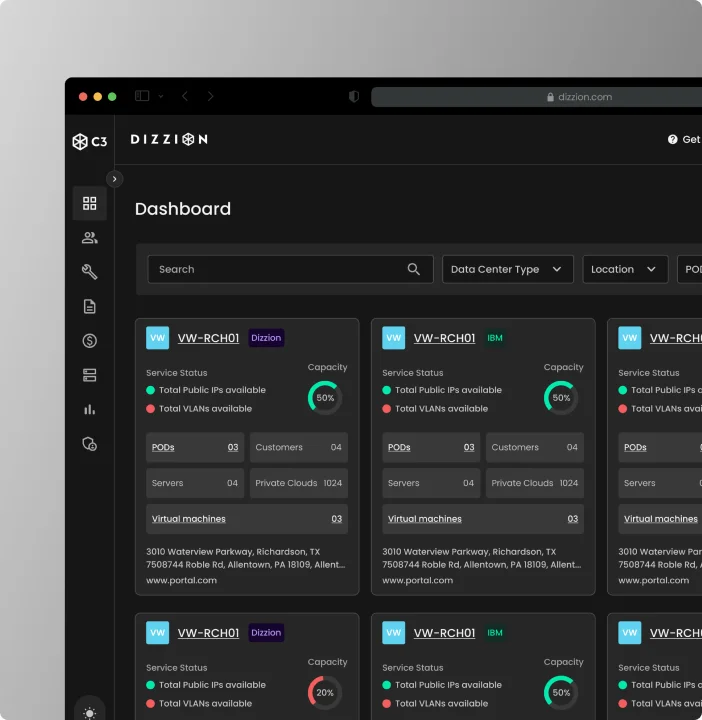
Different modules needed to feel like parts of the same platform—not separate tools.
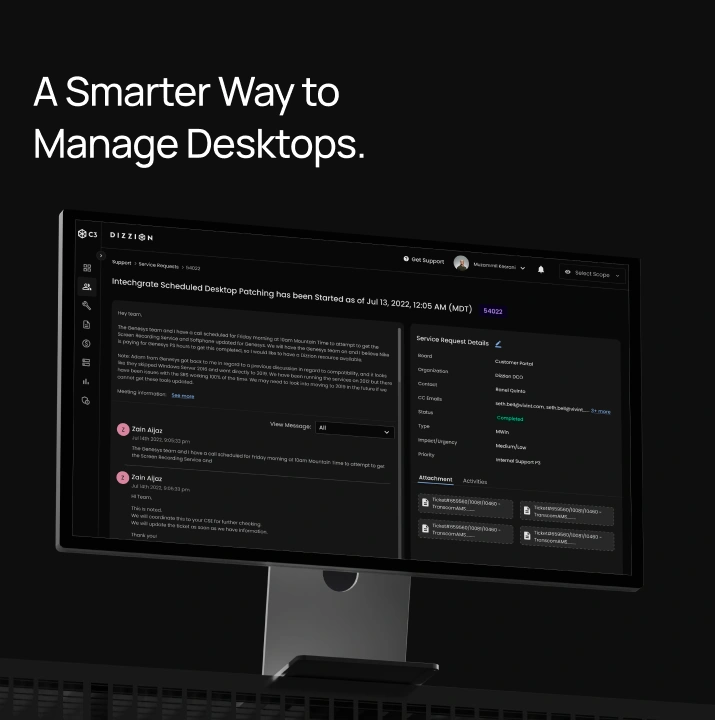
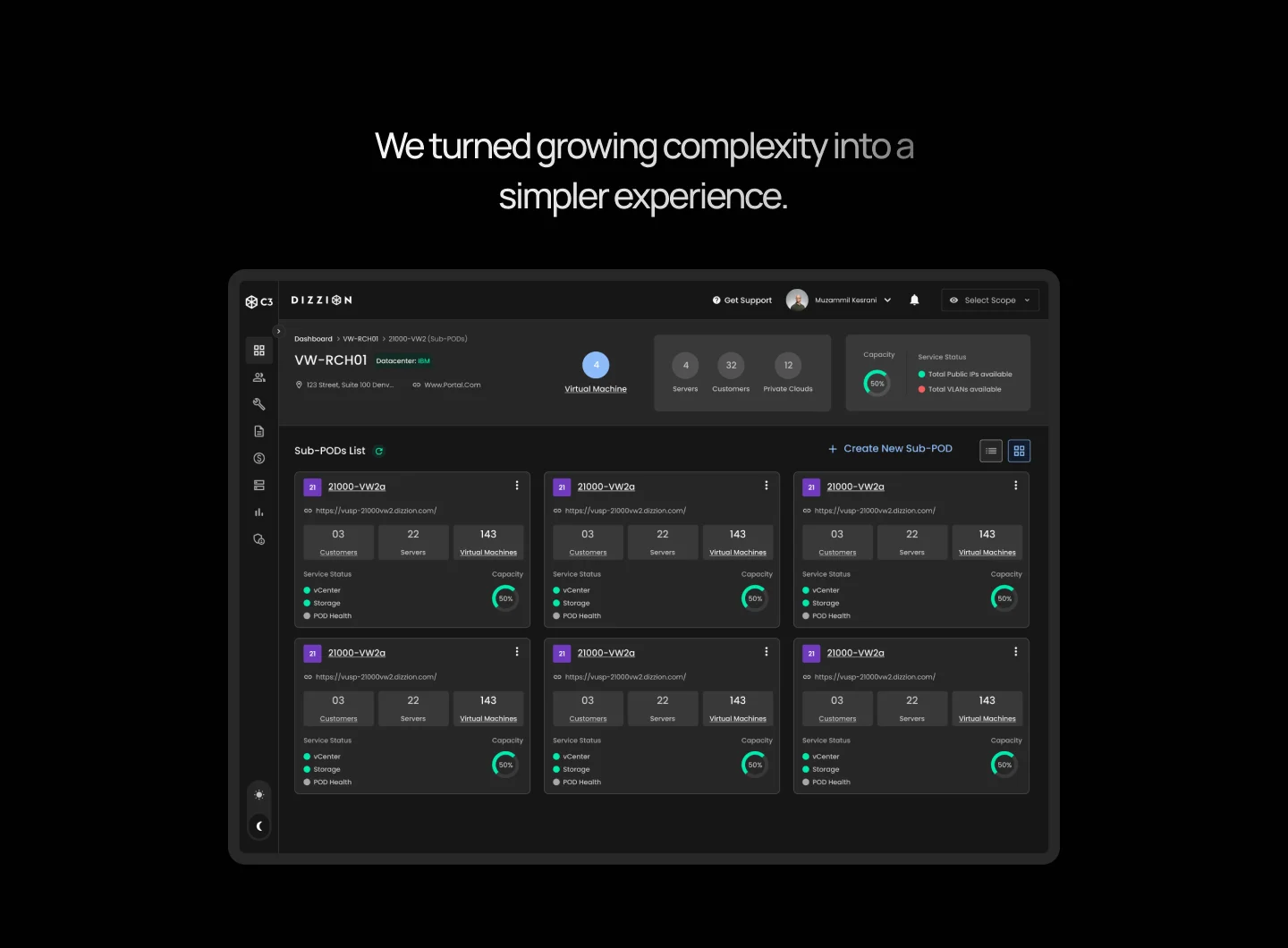
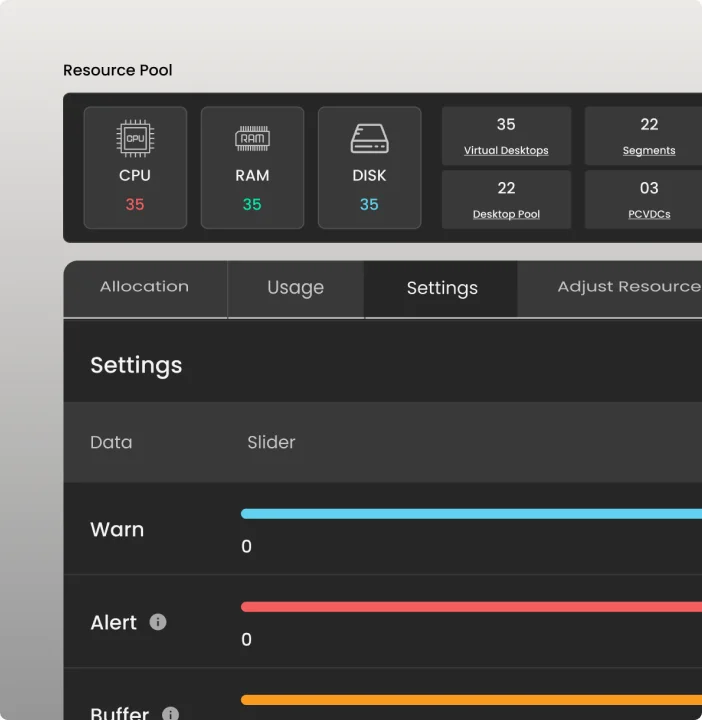
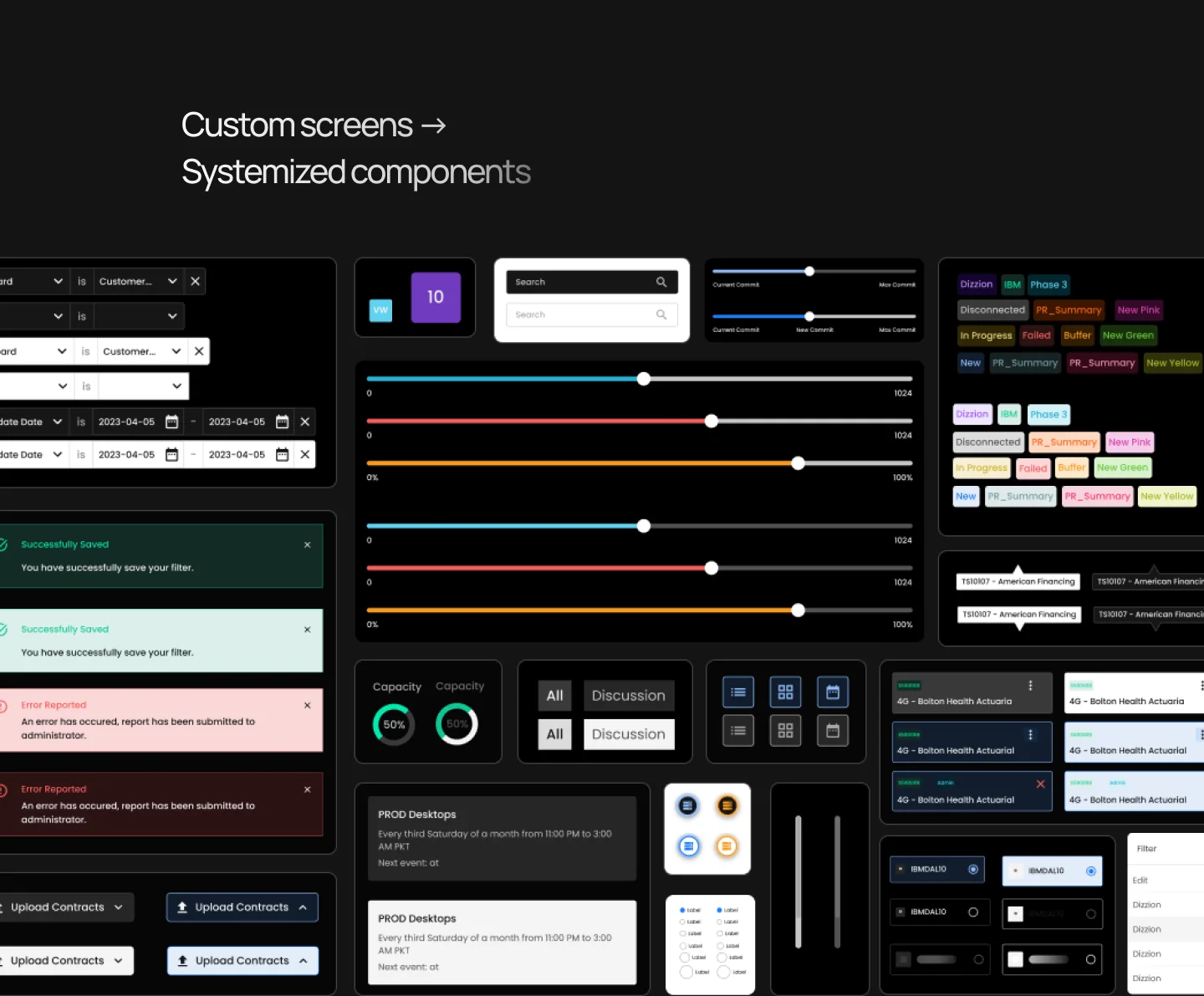
We introduced consistent patterns across navigation, forms, tables, states and workflows, creating a more predictable and cohesive enterprise experience.
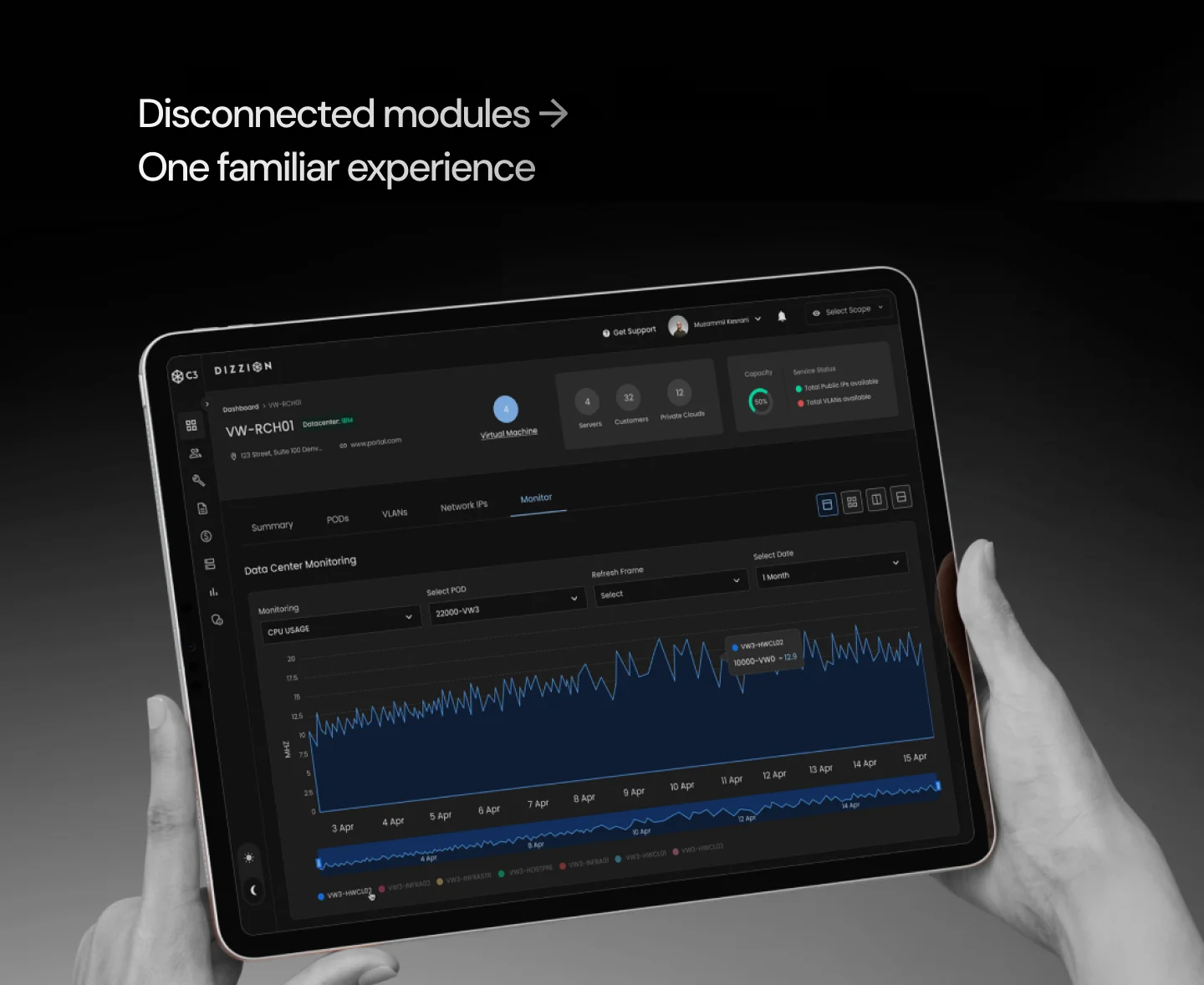
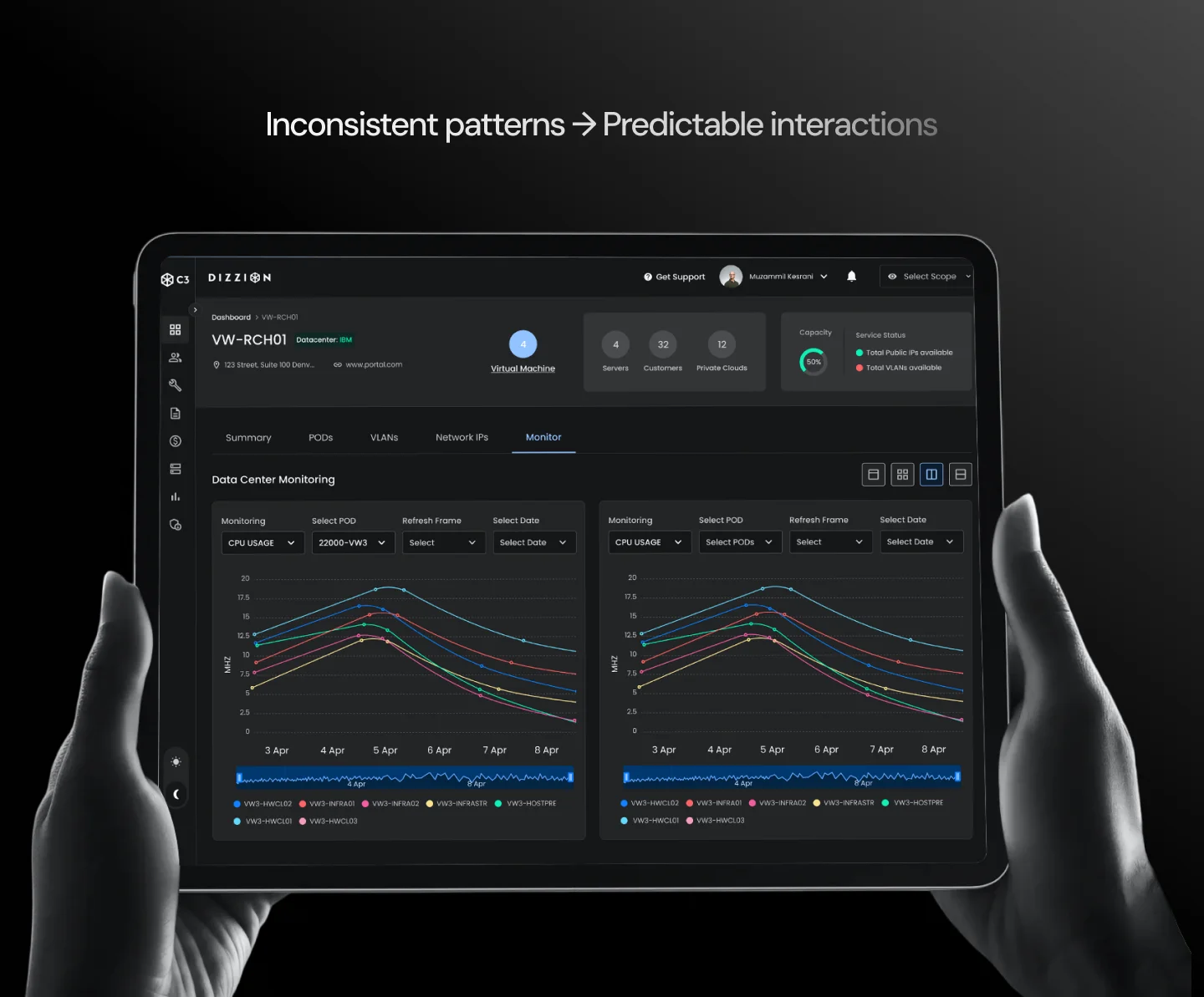
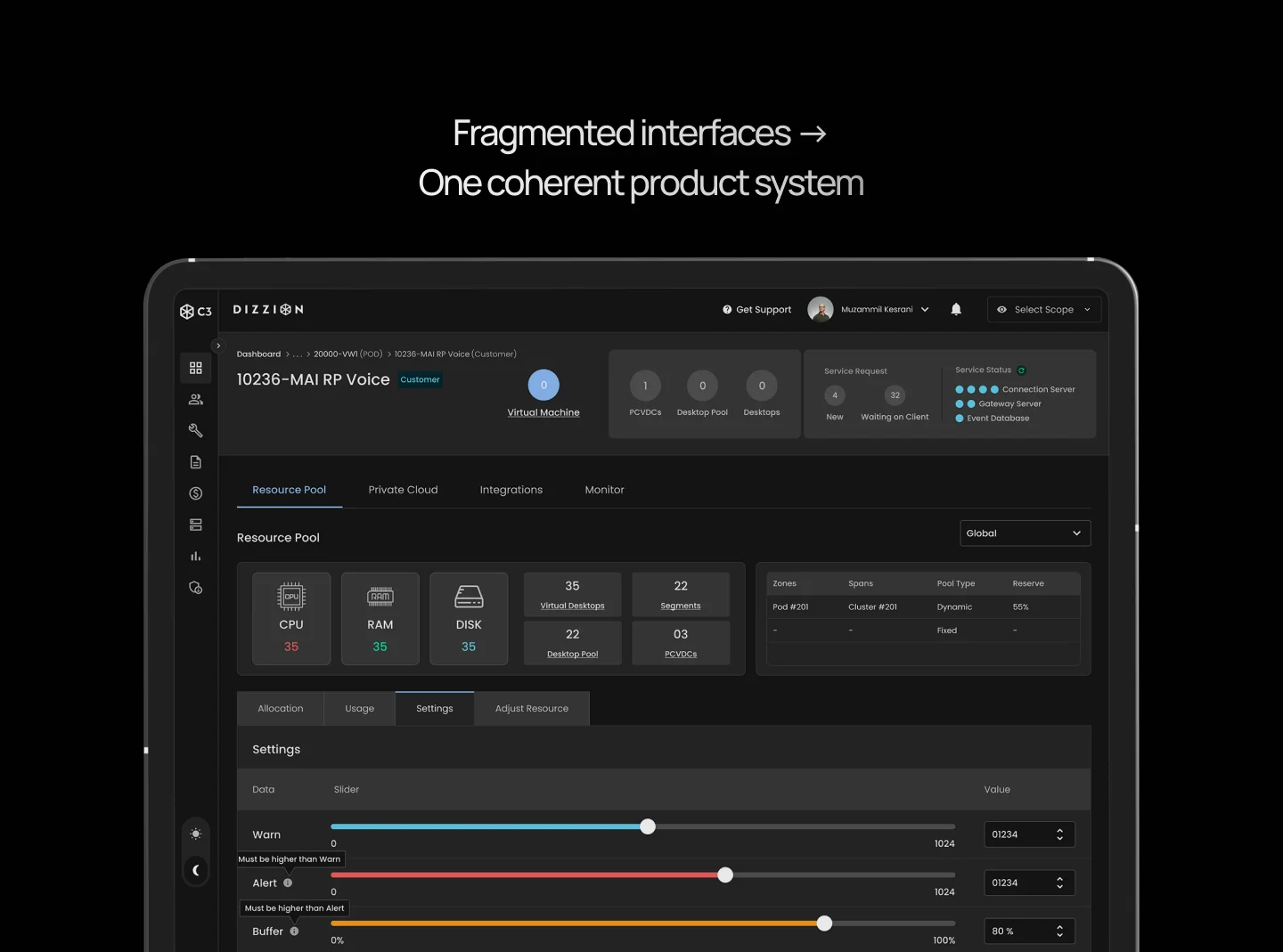
A Better Product Experience,
Built to Keep Scaling.
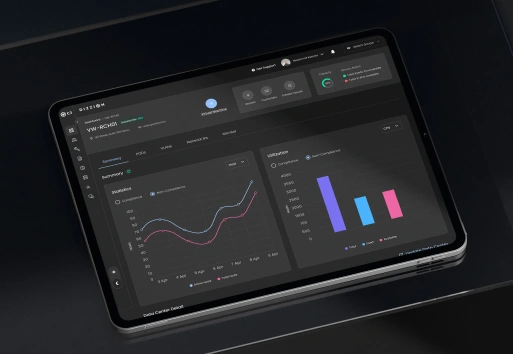
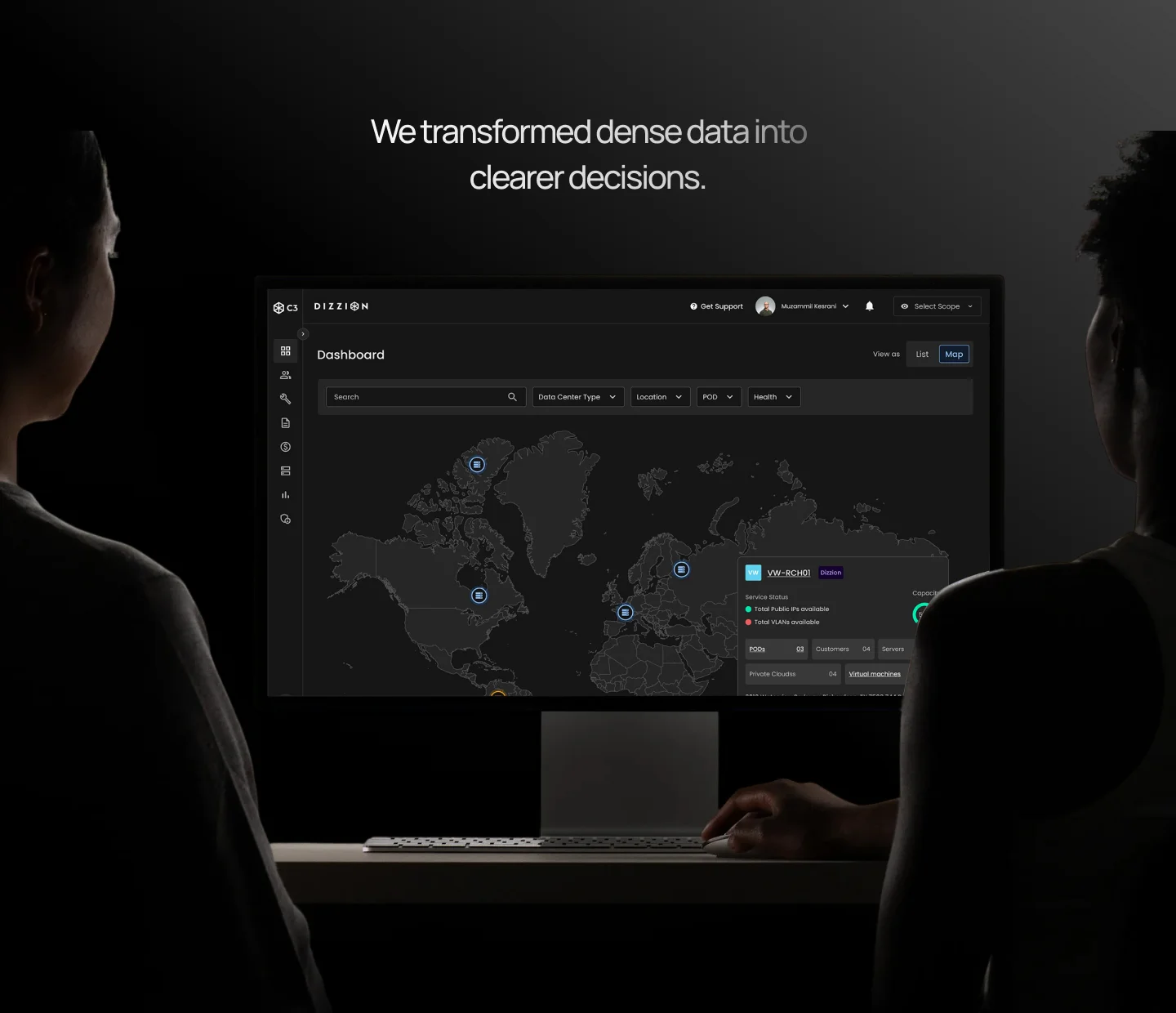
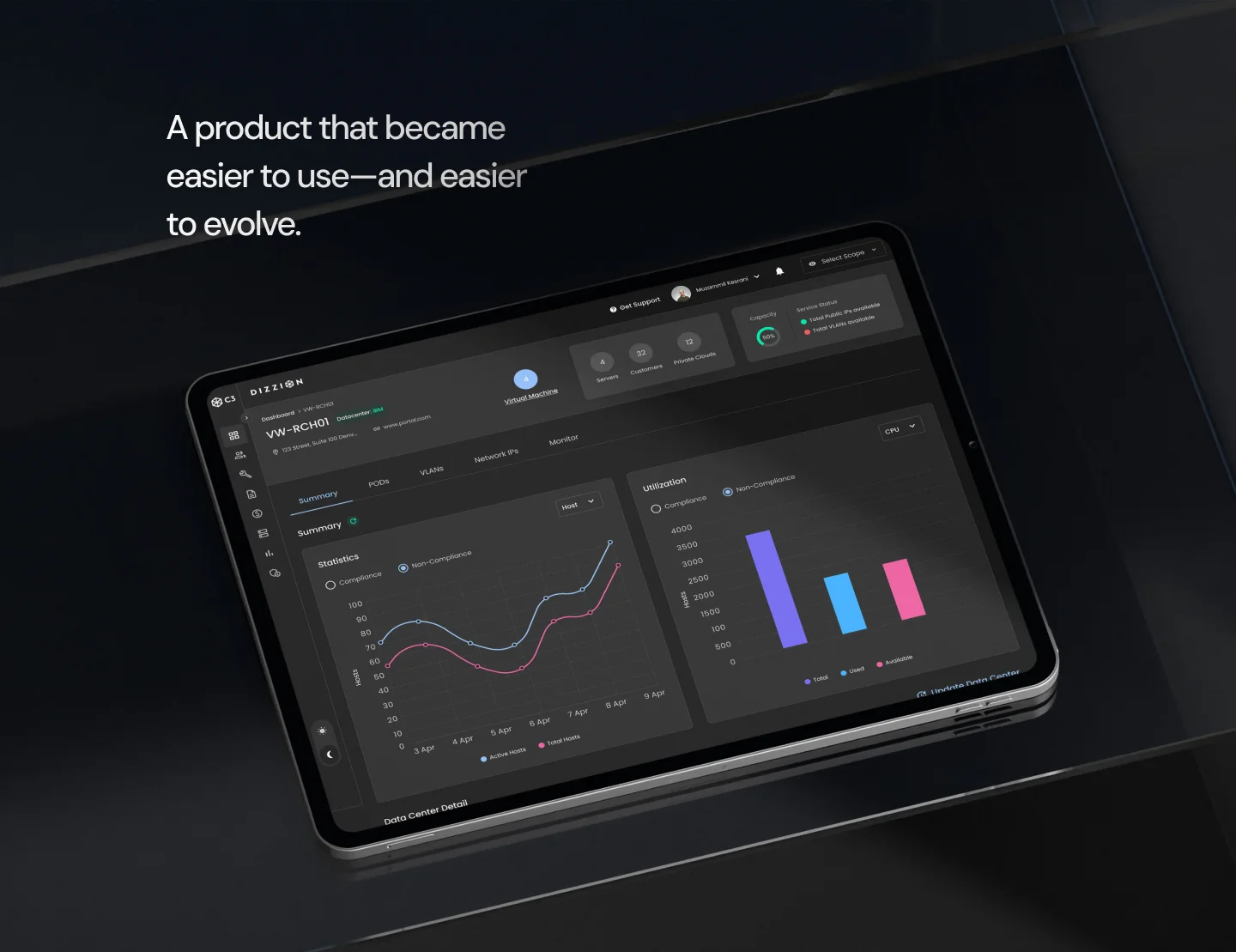
The redesign made Dizzion easier to navigate, easier to understand and more predictable across key workflows. At the same time, a shared design system gave the product a stronger foundation for future growth—without rebuilding the experience screen by screen.
By reducing friction around important tasks and creating greater consistency across the platform, the new experience creates better conditions for adoption, continued usage and long-term product growth.
Screens modernized
100+
Navigation & usability
Improved
Shared component system
1
Light + dark experiences
2
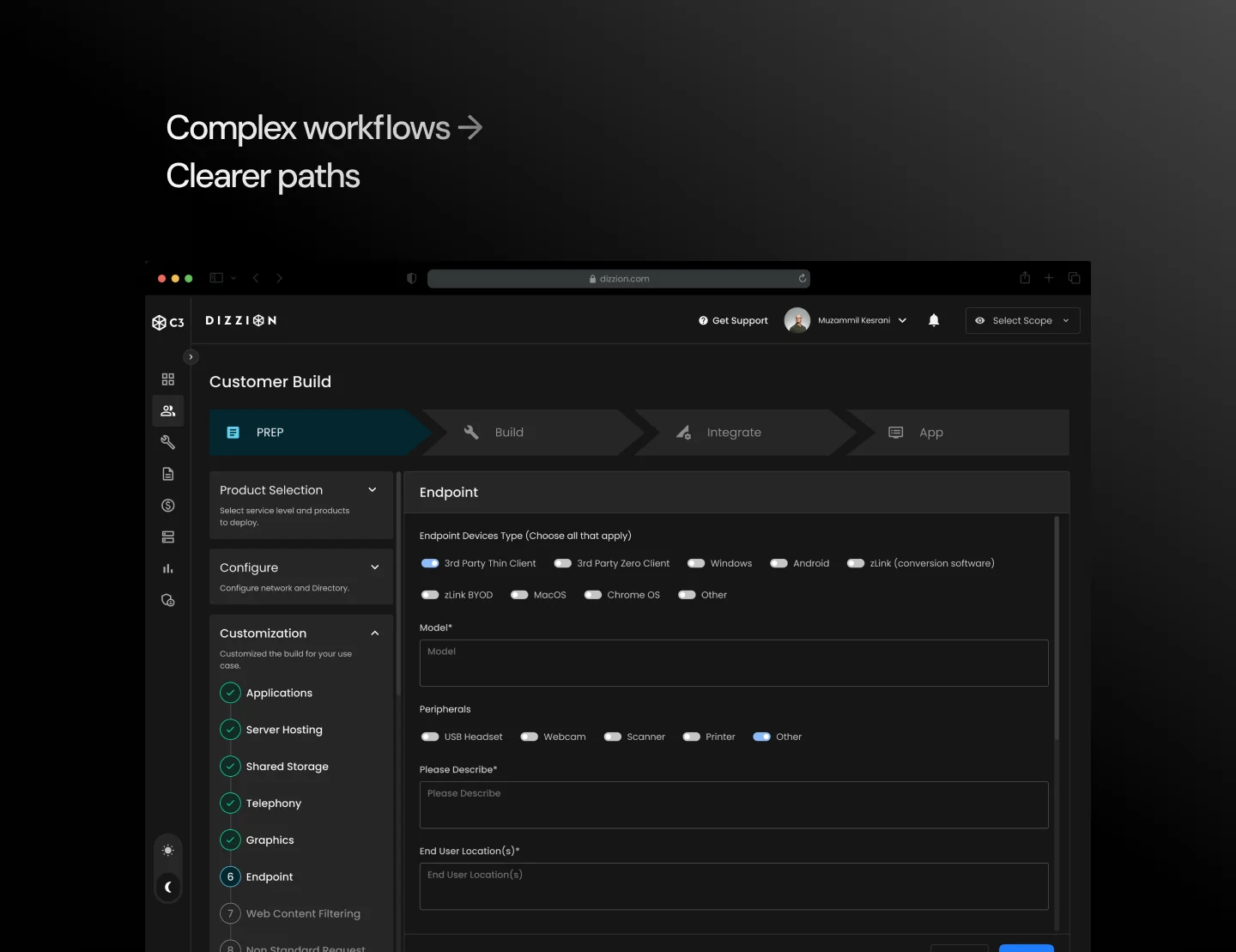
A Design System Built for Scale
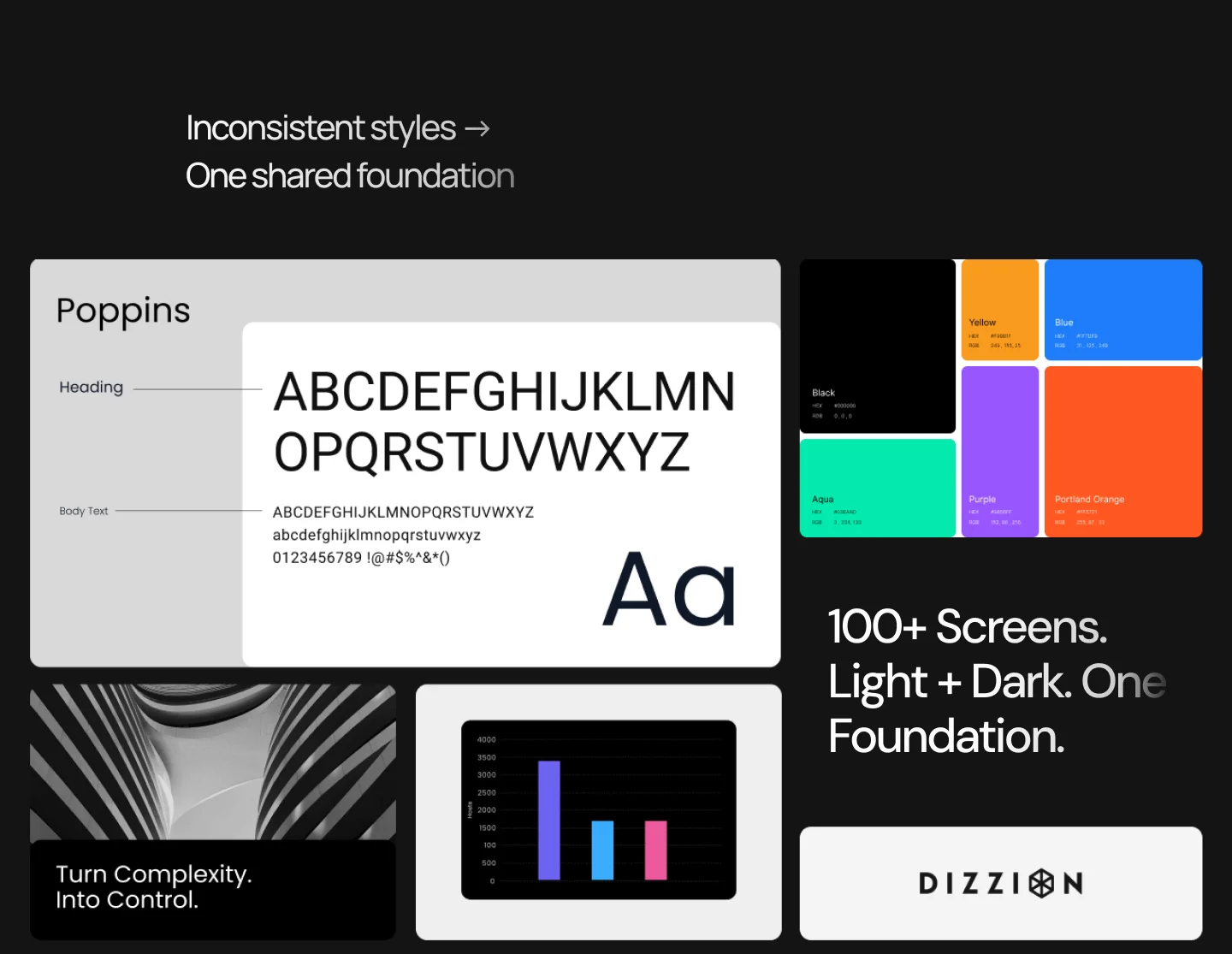
We built a component-based design system from the ground up, giving the platform a shared foundation for consistency, usability and future growth.
The client specifically credited the work with improving navigation, usability and long-term scalability across the product.
100+ screens · Light + dark themes · Shared component foundation
“They created a very professional component-based design system which now serves as the foundation of our application.”

Principal Product Manager, Dizzion
Verified on Clutch
“They didn’t just improve the app’s looks but completely upgraded how users interacted with it.”
The HeyGlobal design team was very capable, especially in the SaaS domain.
Principal Product Manager, Dizzion
5.0 / 5.0 · Verified on Clutch
Has Your Product Outgrown Its Experience?
We help enterprise SaaS teams simplify complex products, modernize legacy experiences and build design systems that scale.
More Work